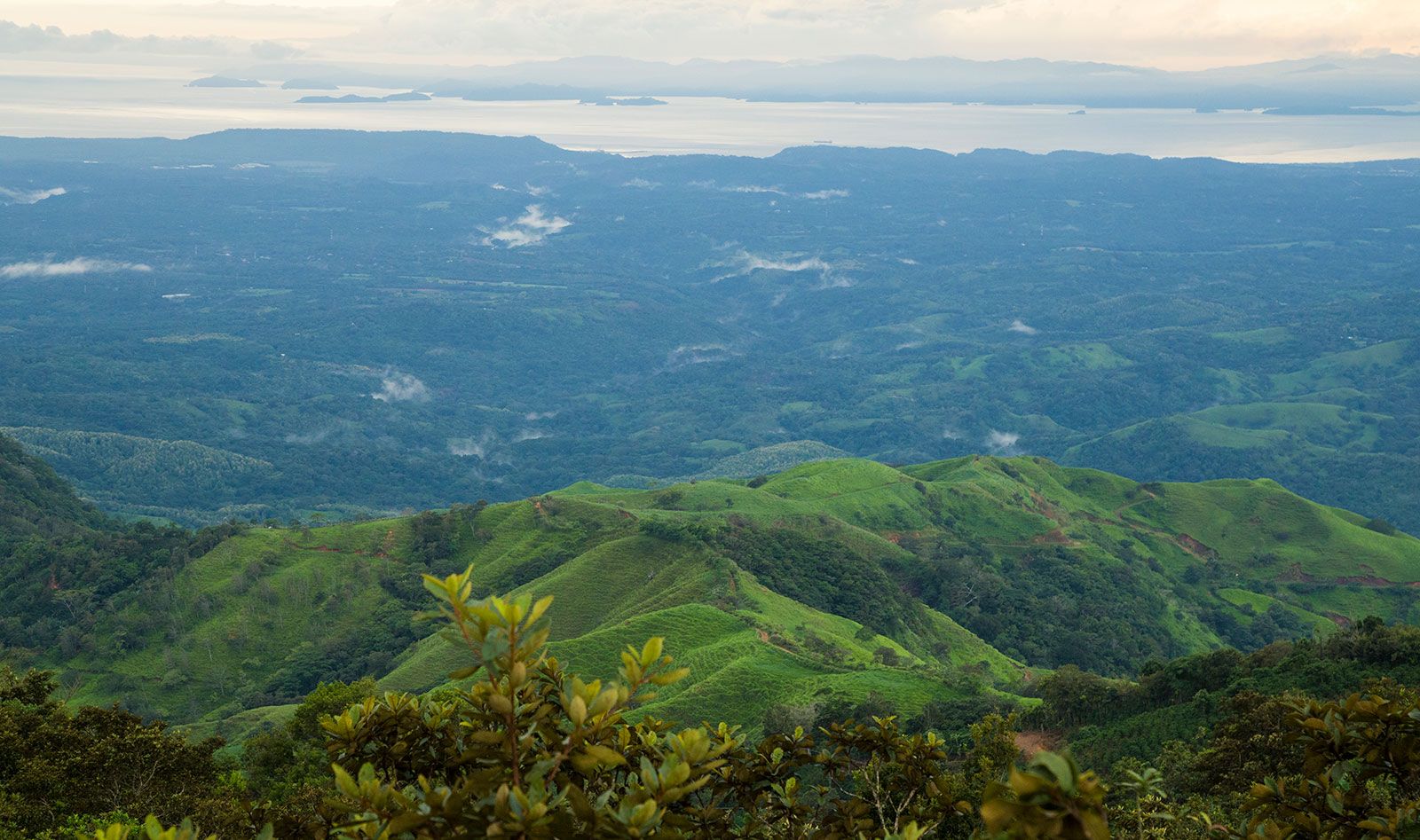
The Ningaloo Coast is a World Heritage Site located in the northwest coastal region of Western Australia. It has long empty beaches, astonishing marine life and world-heritage listing combined with a strong cultural heritage.
The Ningaloo Reef is 260 km long and is one of the largest fringing coral reefs in the world and at some sections comes a close as 10m to shore!
Here are 10 little-known facts about Ningaloo Reef that will bump it up to the top of your wishlist!
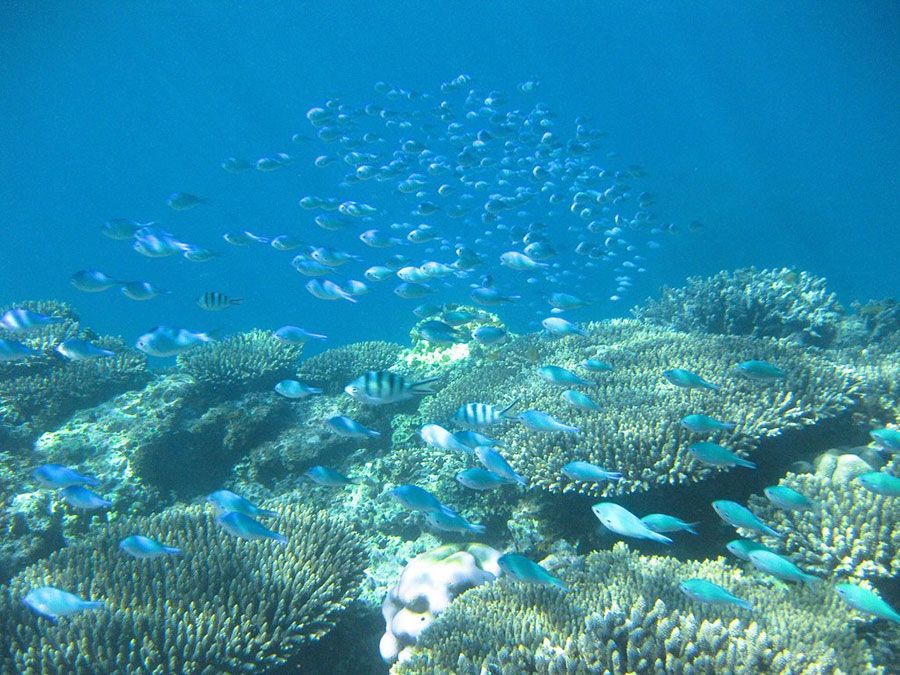
Ningaloo Reef is a treasure for those who love scuba diving and snorkeling and exploring shipwrecks and marine life
The study of the Ningaloo Reef area has been a focus of the Department of Maritime Archaeology for a number of years. Over 1400 ships have been wrecked on the coast of Western Australia. Some of the most famous once are Vergulde Draeck, Zuytdorp James Matthews, Elizabeth Belinda, Stefano, and Eglinton early wooden-hulled merchant vessels, the Sepia and Europa iron barques and more.
It is one of the largest biological structures known and visible from space
It is one of the most expansive biological structures in the world and home to over 500 species of fish, 220 different coral and algae varieties, 600 species of crustaceans, 655 mollusc species, 75 true cave invertebrates, 69 IUCN listed threatened species, and the world’s largest migrating whale shark population
The area have been inhabited for over 30,000 years.
The Ningaloo Coast and Reef’s name come from Australian Aboriginal Wajarri language
The area have been inhabited for over 30,000 years.
The Ningaloo Coast has an estimated 10,000 Turtle Nests Each Year!
The Ningaloo Coast is recognised as one of the most important nesting places in the world for green and loggerhead turtles. Between November and March female turtles make their journey through the reef to lay their clutches of eggs on shore annually.
Ningaloo Reef is World Heritage List
It’s made the UNESCO World Heritage list for its incredible biodiversity and one of the few places in the world where you can swim with the largest fish in the ocean – whale shark.
The Ningaloo Marine Park protects the 260km Ningaloo Reef and it became the Ningaloo Marine Park in 1987
The Ningaloo Marine Park was established in 1987 and extended in 2004 to cover the entire reef. It’s World Heritage status was negotiated in 2011, with site boundaries extended to include Ningaloo Marine Park, the Muiron Islands, Jurabi Coastal Park, Bundegi Coastal Park, Cape Range National Park, and the Learmonth Air Weapons Range.
The whale sharks and whales of Ningaloo Reef are majestic, wild and rare. Australian waters are home to approximately 170 species of sharks and 120 species of Ray. The world’s largest fish is seen from March to August and can grow up to 15 meters long. They are plankton feeders and are not dangerous to humans.
Ningaloo is recorded to have had around 320 days of sunshine every year with its beautiful weather conditions
The water temperature at Ningaloo Reef is a balmy 22°C – 26 °C all year around
The water temperature of the sea along the coast of the Ningaloo Reef is excellent all year round and varies between 26 ° C in the summer months and 22 ° C during the winter months.
Ningaloo Reef is the world’s largest fringing reef
Ningaloo is home to the world’s largest fringing reef and can be reached by just a short swim in many places.
Some of the pollutants slowly trickling into the oceans are the chemicals in many sunscreens. As swimmers jump into the sea, their sunscreen washes away and filters into the water. Scientists who have become aware of the dangerous effect these chemicals have on coral reefs have developed the best reef-safe sunscreen brands to protect you and the ever-important marine life that inhabits our oceans. Knowing coral reef safe sunscreen information will help keep the sea beautiful and alive.
“Eighty-five percent of the Caribbean coral reefs died before 1999 or 2000. That wasn’t global warming. It’s pollution,” says Dr. Craig A. Downs, Ph.D., executive director of Haereticus Environmental Laboratory.
Making an eco-savvy choice, therefore, and using reef-safe sunscreen matter. And not only for the corals.
Dr. Downs and his group began taking a gander at particular synthetic concoctions and found that oxybenzone and octinoxate are the principle guilty parties. The reason they are so generally utilized in sunscreen is that they assimilate the unsafe UV beams. For humans, oxybenzone and octinoxate are chemical sunscreen ingredients that keep harmful UV rays from penetrating the skin, killing cells, and causing a burn. However, they have the opposite effect on coral reefs. These reefs, which are generally bright colors, end up bleaching to bone white under the harsh rays of the sun when they come into contact with these chemicals.
Oxybenzone, for example, is toxic in four different ways: it causes damage to the DNA that may lead to cancer and developmental abnormalities, it is an endocrine disruptor, it causes deformations in juvenile corals, and, lastly, it leads to bleaching.
Dr. Downs points out that certain preservatives found in sunscreens are also toxic: parabens such as the commonly used methyl paraben and butyl paraben, or phenoxyethanol
Another safe alternative to oxybenzone and octinoxate is non-nano titanium dioxide. Before purchasing your next bottle of sunscreen, also check the list of for any of the toxic preservatives we mentioned.
Hawaii is planning on banning certain sunscreens in 2021 that contain harmful compounds. In addition to oxybenzone and octinoxate, read the label on your sunscreen to see if it contains any of these other destructive chemicals: homosalate, octisalate, octocrylene, avobenzone, dimethicone, parabens, BHT, nanoparticles, propylene glycol, and retinyl palmitate.
Here are five reasons why your choice of sunscreen matters.
Sunscreens washed off into the ocean each year change the chemical composition of the water and make it a thriving place for viruses and bacteria. Some of these viruses attack corals, causing them to expel their life-giving algae, a situation that causes coral bleaching and the viruses spread to the surrounding coral communities.
2. Chemical Sunscreen Ingredients Can Bleach or Kill Corals
Besides viruses, research has also shown that some ingredients in chemical sunscreens can cause coral bleaching and potentially kill these organisms.
While most countries implementing sunscreen bans fight against oxybenzone and octinoxate alone, scientists have identified that butylparaben and 4-methylbenzylidene camphor can also have a similar action.
Using a sunscreen free of these ingredients is essential if we want to preserve the integrity of the marine ecosystem.
3. Chemical Sunscreen Can Harm More Than Corals
The compounds that cause coral bleaching can also affect other forms of marine life. Fish are also affected by oxybenzone and octinoxate.
Here is one example from Dr. Downs, who was on a working visit at the Bahamas, he was conversing with an administration worker at supper who shared how much he loved the coconut kind of the neighborhood angle they were eating on.
“We solicited the gourmet expert what kind from flavoring he put in it, and he stated, ‘simply salt.’ The coconut was some recombinant aroma of sunscreen. That is a substance aroma. It’s a terrible, dependable scent that will amass in life forms thus we were tasting it in the fish,” Dr. Downs explained.
So what can you do next time you hit the beach to prevent further damage? First of all, forget about aerosols.
These substances act as hormone disruptors and induce feminization in male fish. This leads to the interruption of their sexual activity, affecting the reproduction of many species
4. Sunscreen Pollution Threatens Local Economies
The death of coral reefs leaves many species of fish and crustaceans without a habitat; a situation that leads to the death of this marine wildlife. Combined with the affected fish reproduction, chemical sunscreens contribute to the extinction of many fish species.
This has two important consequences: famous diving spots become sterile and unattractive and less fishing possibilities for local businesses who base their subsistence on fishing.
5. Chemical Sunscreens Affect Humans Too
Chemicals in sunscreen are not only bad for the environment. They are bad for humans too. Besides rashes and allergic reactions, researchers also investigate the carcinogenic effects of both oxybenzone and octinoxate.
Other chemicals typically used in these products also act as hormone disruptors and can affect both fetuses if used by pregnant women as well as infants and toddlers.
Considering the negative impact chemical sunscreens have on both us and the environment, changing our habits and using an eco-friendly approach matters.
Photo credit: XL Catlin Seaview Survey/AP
Natural mineral sunscreens are undoubtedly a better choice; furthermore, you can use other eco-friendly ways to protect yourself from the sun while also safeguarding the global economy and our ecosystem.
Another option to help preserve the environment is to purchase sunscreen safe for coral reefs. Badger Balm is a family-run business that is committed to creating effective sunblock powered by nature to protect the world. One of the best reef safe sunscreen brands, their rigorous standards for their products makes it safe for children, adults, and the ocean, slowing the killing of coral reefs. In addition to other natural body products, they offer kids, sports, active and daily sunscreen safe for coral reefs so that no matter when you put it on, it’ll protect your skin and the environment.
Raw Elements was founded by an ocean lifeguard who daily watched beachgoers slather on chemicals that would wash off in the ocean, killing coral reefs. This set him on a journey to create sunscreen safe for coral reefs. To further protect more of the environment, they offer some sunscreens in plastic-free packaging to reduce the amount of waste that pollutes the land and sea. Their natural sunblocks are designed with safety and nature in mind at every step of production.
Raw Love sunscreen is made using coral reef safe sunscreen information for people who love jumping into the ocean to swim, dive, or surf. With all-natural ingredients, their sunscreen will protect your skin from the damaging effects of sun exposure, in addition to protecting the ocean. While they don’t offer the range of sunblock options as other best reef safe sunscreen brands, their product is both effective and safe for humans and marine life.
Having coral reef safe sunscreen information can help you make informed decisions when it comes to purchasing sunblock for your beach vacation.
Remember to double check the sunscreen ingredients and the label – each of our decisions matter to save the coral reefs!
Fernando de Noronha is a volcanic archipelago about 350 kilometers off Brazil’s northeast coast. It’s named after its largest island, a protected national marine park and ecological sanctuary with a jagged coastline and diverse ecosystems.
The Fernando de Noronha islands are the peaks of an underwater volcanic mountain range. It rises 4,000 feet from the ocean floor, about 300 miles off the state of Pernambuco and the northeast coast of Brazil.
The Fernando de Noronha archipelago is divided into two conservation units, the National Marine Reserve and the Environmental Protected Area, with its own preservation rules for environmental preservation with sustainable development.
Because the reefs of the South Atlantic are isolated from the Caribbean by the outflow of the Orinoco and Amazon rivers, the reef communities are very different from many endemic species.
Why Visit Fernando de Noronha?
The archipelago of Fernando de Noronha contains 21 islands and it is a paradise and was declared a Natural World Heritage Site by Unesco. In order for the nature of the islands to be preserved, the number of visitors is limited. There is a maximum number of 460 visitors allowed on the island. Visitors also pay an Environmental Preservation Tax that increases progressively with the length of the visit.
Travelers can enjoy golden sands, crystal clear waters, and marine life. Some of the most beautiful beaches of Brazil and the world, such as the beaches Praia dos Porcos, Praia dos Leões, and Baía do Sancho. Baía do Sancho has been selected twice as the best beach of the planet by the Traveller’s Choice Awards of TripAdvisor.
Photo credit: Paulo Henrique / Wikipedia
If you are looking for the best place for diving, you can find it at Noronha – you can observe its splendid marine life of corals, dolphins, turtles, and sharks. You may practice scuba diving with certified local instructors. For those you like surfing, the best months are between December and enjoy waves reaching up to 5 meters.
Some of the migrating birds include the black noddy, sooty tern, red-footed booby, and frigatebird.
Here you’ll find the highest concentration of dolphins in the world. More than 99.99% of the dolphins found around the Archipelago of Fernando de Noronha belong to the spinner dolphin species, Stenella longirostris, from the Delphinidae Family.
Photo credit: Rosanetur / Flickr
The sunsets on Noronha are magnificent due to the lack of air pollution. One of the best places you can enjoy and relax watching the sunset is Boldro beach.
There are plenty of activities on the island including options of ecological trails, boat tours for observing dolphins, visits to Museu do Tubarão and Parque Nacional Marinho or the Tamar project, which helps to preserve endangered sea turtles.
The number of inhabitants is restricted to around 2000. Most of the population works in the hospitality industry, catering to the visitors of the island, which includes food and accommodation, diving, snorkeling, and other water sports instruction and equipment rental and private transportation.