Eco-friendly cars are making a mark all over the world with reduced carbon footprint, noise emissions and lower fuel consumption. There are also many eco friendly car accessories that are not only affordable but also fulfill the responsibility to keep the environment clean.
More and more auto manufacturers are turning towards electric car alternatives and using more natural elements instead of man-made chemicals. Using the right eco-firendly car accessories can push it even further.
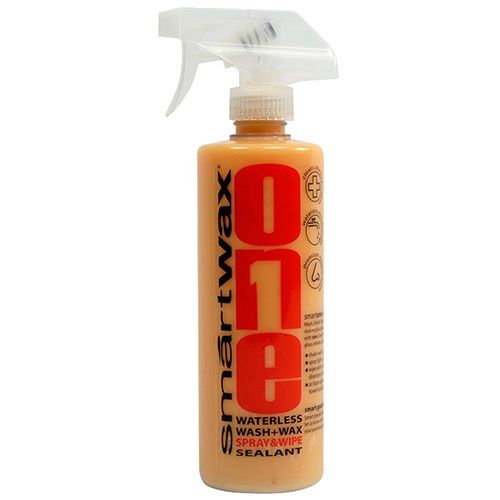
The Smartwax ONE waterless wash can help you clean up your ride with out wasting water! AND if it wasn’t enough that this cleaner is eco-friendly it is also a detergent, sealant, wax and polish ALL-IN-ONE!
The light carnauba wax haze left is then buffed away leaving a beautiful showroom shine that reduces static charge allowing for maximum repellency of dirt. Formulated with UV light absorbers to block the damaging effects of the sun, one shines and reflects like a mirror.
Scientists have formulated a biodegradable, non-toxic line of detailing supplies. The product is phosphate-free and easy to apply. Just spray on and wipe clean for a showroom finish that doesn’t involve using a hose.
The powerful plant-based surfactants dissolve grime quickly, while polymers leave a slick finish. Plus, the spray-on method eliminates untreated run-off and conserves up to 380l of water per wash.
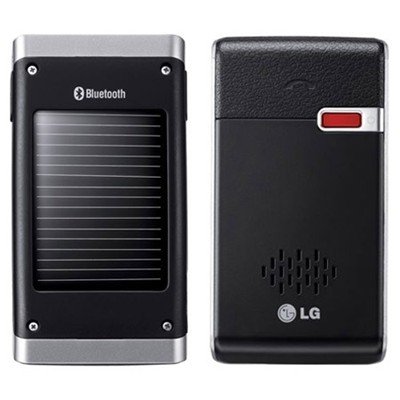
LG HFB-500 Solar-Powered Bluetooth Car Kit uses photovoltaic panels on the back of its Bluetooth-enabled speakerphone to power the device. The solar panel can also be adhered to the car’s windshield or dashboard.
The Cozy Greens® Backseat Car Organizer gives families the peace of mind that comes with being both prepared and organized. Made from premium materials, the Cozy Greens® organizer is eco-friendly and REACH certified.
It Is durable, waterproof, will withstand any abuse, and it is simple to clean.

Converts your car’s headrest into a convenient storage space to hang groceries, handbags, grocery bags, purses, schoolbags, umbrellas, water bottles, shopping bags.
Special half open design allows you to install these car seat hook easily, no need to take off the headrests, you can freely set or remove the hooks in secs without extra tools.
Made from Eco-friendly PP material, great toughness, resistant to heat and cold environment
More companies are realizing the importance of green car products, safety, and concerns for health and the environment. We are constantly exposed to harmful and toxic substances daily.
They are taking steps to convert their products to become more environmentally friendly.
Read more about sustainable travel by checking some of the other blog posts.
If you are a traveler and are interested in eco-travels, you can find more inspirations from our posts
Some of the pollutants slowly trickling into the oceans are the chemicals in many sunscreens. As swimmers jump into the sea, their sunscreen washes away and filters into the water. Scientists who have become aware of the dangerous effect these chemicals have on coral reefs have developed the best reef-safe sunscreen brands to protect you and the ever-important marine life that inhabits our oceans. Knowing coral reef safe sunscreen information will help keep the sea beautiful and alive.
“Eighty-five percent of the Caribbean coral reefs died before 1999 or 2000. That wasn’t global warming. It’s pollution,” says Dr. Craig A. Downs, Ph.D., executive director of Haereticus Environmental Laboratory.
Making an eco-savvy choice, therefore, and using reef-safe sunscreen matter. And not only for the corals.
Dr. Downs and his group began taking a gander at particular synthetic concoctions and found that oxybenzone and octinoxate are the principle guilty parties. The reason they are so generally utilized in sunscreen is that they assimilate the unsafe UV beams. For humans, oxybenzone and octinoxate are chemical sunscreen ingredients that keep harmful UV rays from penetrating the skin, killing cells, and causing a burn. However, they have the opposite effect on coral reefs. These reefs, which are generally bright colors, end up bleaching to bone white under the harsh rays of the sun when they come into contact with these chemicals.
Oxybenzone, for example, is toxic in four different ways: it causes damage to the DNA that may lead to cancer and developmental abnormalities, it is an endocrine disruptor, it causes deformations in juvenile corals, and, lastly, it leads to bleaching.
Dr. Downs points out that certain preservatives found in sunscreens are also toxic: parabens such as the commonly used methyl paraben and butyl paraben, or phenoxyethanol
Another safe alternative to oxybenzone and octinoxate is non-nano titanium dioxide. Before purchasing your next bottle of sunscreen, also check the list of for any of the toxic preservatives we mentioned.
Hawaii is planning on banning certain sunscreens in 2021 that contain harmful compounds. In addition to oxybenzone and octinoxate, read the label on your sunscreen to see if it contains any of these other destructive chemicals: homosalate, octisalate, octocrylene, avobenzone, dimethicone, parabens, BHT, nanoparticles, propylene glycol, and retinyl palmitate.
Here are five reasons why your choice of sunscreen matters.
Sunscreens washed off into the ocean each year change the chemical composition of the water and make it a thriving place for viruses and bacteria. Some of these viruses attack corals, causing them to expel their life-giving algae, a situation that causes coral bleaching and the viruses spread to the surrounding coral communities.
2. Chemical Sunscreen Ingredients Can Bleach or Kill Corals
Besides viruses, research has also shown that some ingredients in chemical sunscreens can cause coral bleaching and potentially kill these organisms.
While most countries implementing sunscreen bans fight against oxybenzone and octinoxate alone, scientists have identified that butylparaben and 4-methylbenzylidene camphor can also have a similar action.
Using a sunscreen free of these ingredients is essential if we want to preserve the integrity of the marine ecosystem.
3. Chemical Sunscreen Can Harm More Than Corals
The compounds that cause coral bleaching can also affect other forms of marine life. Fish are also affected by oxybenzone and octinoxate.
Here is one example from Dr. Downs, who was on a working visit at the Bahamas, he was conversing with an administration worker at supper who shared how much he loved the coconut kind of the neighborhood angle they were eating on.
“We solicited the gourmet expert what kind from flavoring he put in it, and he stated, ‘simply salt.’ The coconut was some recombinant aroma of sunscreen. That is a substance aroma. It’s a terrible, dependable scent that will amass in life forms thus we were tasting it in the fish,” Dr. Downs explained.
So what can you do next time you hit the beach to prevent further damage? First of all, forget about aerosols.
These substances act as hormone disruptors and induce feminization in male fish. This leads to the interruption of their sexual activity, affecting the reproduction of many species
4. Sunscreen Pollution Threatens Local Economies
The death of coral reefs leaves many species of fish and crustaceans without a habitat; a situation that leads to the death of this marine wildlife. Combined with the affected fish reproduction, chemical sunscreens contribute to the extinction of many fish species.
This has two important consequences: famous diving spots become sterile and unattractive and less fishing possibilities for local businesses who base their subsistence on fishing.
5. Chemical Sunscreens Affect Humans Too
Chemicals in sunscreen are not only bad for the environment. They are bad for humans too. Besides rashes and allergic reactions, researchers also investigate the carcinogenic effects of both oxybenzone and octinoxate.
Other chemicals typically used in these products also act as hormone disruptors and can affect both fetuses if used by pregnant women as well as infants and toddlers.
Considering the negative impact chemical sunscreens have on both us and the environment, changing our habits and using an eco-friendly approach matters.
Photo credit: XL Catlin Seaview Survey/AP
Natural mineral sunscreens are undoubtedly a better choice; furthermore, you can use other eco-friendly ways to protect yourself from the sun while also safeguarding the global economy and our ecosystem.
Another option to help preserve the environment is to purchase sunscreen safe for coral reefs. Badger Balm is a family-run business that is committed to creating effective sunblock powered by nature to protect the world. One of the best reef safe sunscreen brands, their rigorous standards for their products makes it safe for children, adults, and the ocean, slowing the killing of coral reefs. In addition to other natural body products, they offer kids, sports, active and daily sunscreen safe for coral reefs so that no matter when you put it on, it’ll protect your skin and the environment.
Raw Elements was founded by an ocean lifeguard who daily watched beachgoers slather on chemicals that would wash off in the ocean, killing coral reefs. This set him on a journey to create sunscreen safe for coral reefs. To further protect more of the environment, they offer some sunscreens in plastic-free packaging to reduce the amount of waste that pollutes the land and sea. Their natural sunblocks are designed with safety and nature in mind at every step of production.
Raw Love sunscreen is made using coral reef safe sunscreen information for people who love jumping into the ocean to swim, dive, or surf. With all-natural ingredients, their sunscreen will protect your skin from the damaging effects of sun exposure, in addition to protecting the ocean. While they don’t offer the range of sunblock options as other best reef safe sunscreen brands, their product is both effective and safe for humans and marine life.
Having coral reef safe sunscreen information can help you make informed decisions when it comes to purchasing sunblock for your beach vacation.
Remember to double check the sunscreen ingredients and the label – each of our decisions matter to save the coral reefs!
We all use sunscreen to protect ourselves from the harmful ultraviolet rays. The pollution in the oceans is tragically killing coral reefs and destroying the homes of the marine life living there.
Hawaii passed a bill on May 1, 2018 that bans sale of sunscreens with dangerous chemicals to reefs? NOAA states sunscreens that contain oxybenzone and octinoxate are indeed harmful to coral reefs. EHP as well confirms that sunscreen chemicals may be causing coral bleaching.
According to a report by Marine Life, a marine conservation NGO, there over 82,000 kinds of chemicals from personal care products that have made their way into the world’s oceans. And one of the most dangerous contributor is sunscreen. In 2015, it was estimated that around 14,000 tons of sunscreen are ending up in the world’s coral reefs and causing irreparable damage.
Scientists have conducted many types of research in the past decade investigating how the tons of sunscreen that wash off our bodies into the ocean each year affect marine life. According to their studies, chemical sunscreens threaten the entire marine ecosystem.
One of the common misconceptions we initially think of if we talk about biodegradable sunscreen is the bottle. We often think that these body products are contained and packed in a biodegradable container. No, it is not about the bottle, but rather, the sunscreen itself.
To help you find sunscreen that are reef safe we did extensive research on the internet and we come up with the following list that is eco-friendly sunscreen brands on the market in 2019.
This sunscreen has an ideal score on EWG, and doesn’t contain any organically dangerous synthetic compounds. It is water-safe for up 80 minutes and is retained effortlessly by your skin.
The zinc recipe is sea safe and adequately shields your skin from sunburn. This sunscreen is additionally sulfate-, paraben-, phthalate-, aroma , and color free.
This unscented and veggie lover sunscreen is ideal for individuals with touchy skin and children. It is free of parabens, phthalates, propylene glycol, mineral oil, manufactured colors, sulfates, nanoparticles and substance UV safeguards, and contains natural green tea extricate, cucumber concentrate, and pomegranate seed oil.
This non-nano zinc oxide-based sunscreen has a lightweight water-safe recipe and is wealthy in natural green tea, rose hips, and buriti oil for repairing harmed skin. Ensure your skin is very much saturated before applying.
This sunscreen has a thick glue consistency, which enables it to remain on your skin for a significant lot of time even after you’ve been in the water. It contains thanaka oil, or, in other words cancer prevention agents, is hostile to parasitic, against bacterial and has hostile to maturing properties. The catch? It gives you a tad of a white tint as opposed to rubbing into the skin.
This Maui-based organization strives to guarantee that its items, together with the bundling, are alright for the earth. Their sunscreen contains a great deal of natural fixings like coconut oil, almond oil, and shea butter.
Protect your skin and marine existence with this mineral-based sunscreen that contains a ground-breaking cancer prevention agent mix of green tea, tulsi, wakame, and olive leaf. Its dynamic fixing is non-nano titanium dioxide.
This zinc-based sunscreen is improved with nearby Hawaiian spirulina, plumeria remove, nectar, kukui nut oil and other feeding oils that dampness and alleviate the skin.
Remember to double check the sunscreen ingredients and the label – each of our decisions matter to save the coral reefs!
Still not convince about choosing carefully your sunscreen for your next trip? Check our post about 5 Things to Know About the Sunscreen and How to Protect the Coral Reef.