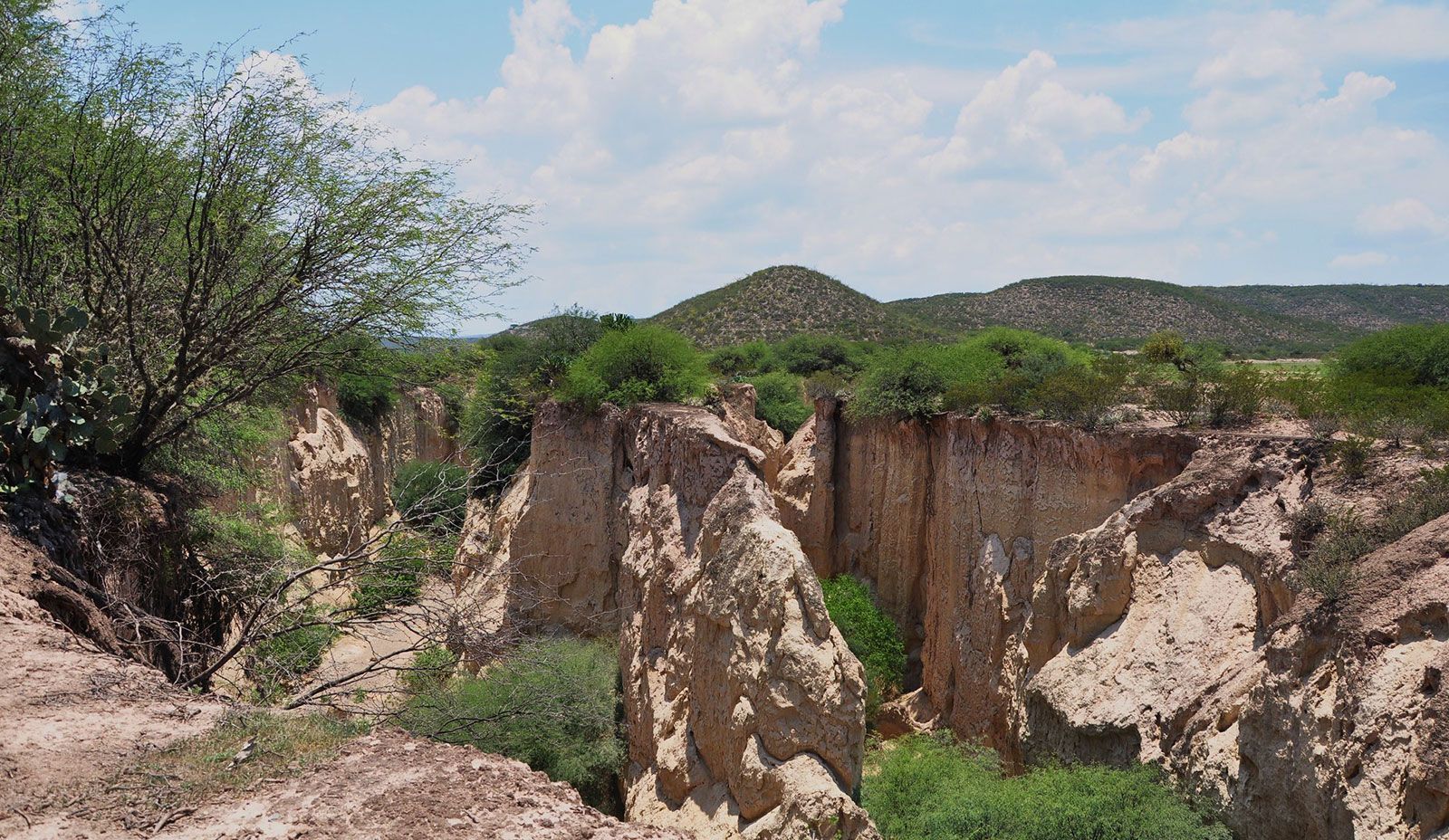
New Zealand is a “clean, green” adventure-playground with some tourist destinations being nature areas such as Milford Sound, Abel Tasman National Park and the Tongariro Alpine Crossing and activities such as bungee jumping or whale watching. Read our post about Top-Rated Tourist Attractions in New Zealand to learn more about what you can see.
From glaciers to beaches, whale-watching to wine-tasting, New Zealand has so much to offer.
Trying to See Too Much
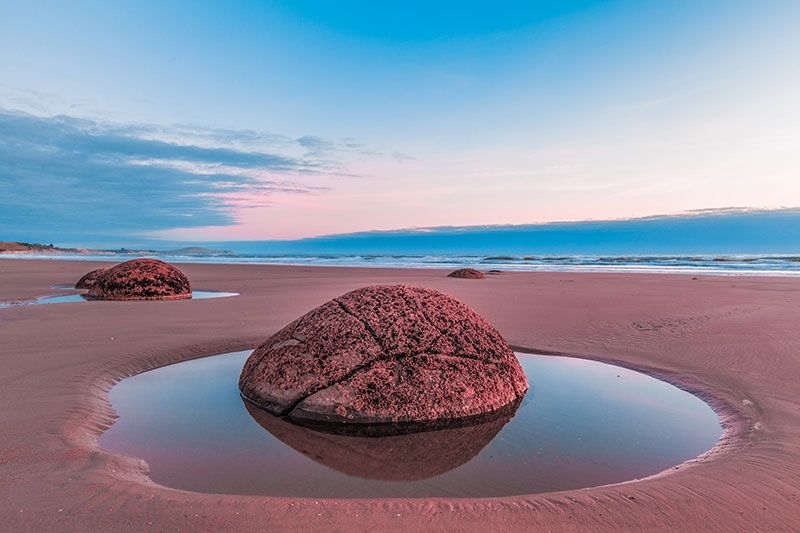
New Zealand is a big country – don’t try to see it all on your first trip. Most people make the mistake of trying to see too much due to their limit timing and instead of enjoying the trip they get really tired at the end.
Driving Over the Speed Limit in New Zealand
The speed limits in the country are set by the New Zealand government. The speed limit in each location is indicated on a nearby traffic sign or by the presence of street lighting. The default urban limit is 50km/h. in some of these areas, there are speed cameras that issue speeding tickets by mail. Police also use handheld laser speed guns.
While the speed limit in freeway-like is 100km/h, the conditions are more dangerous than freeways as there is no barrier separating you from oncoming traffic.
Buying Wine in a Restaurant
You can Bring Your Own Wine into a restaurant and pay a corkage fee! This way you can take a wine of your choice instead of only tasting what a particular restaurant may serve.
BYOB or BYO is an initialism and acronym concerning alcohol that means “bring your own bottle” or “bring your own booze”. In Australia and New Zealand, the term “BYO” (Bring Your Own) emerged to describe business establishments that offered corkage.
Traveling in High Season
The High season in New Zealand is during the summer from December to February. During that period the weather and prices are higher during this time. One of the main misconceptions is that traveling off-season in New Zealand is not a good option. Actually, you can still get warm weather and you’ll save money and avoid the crowd.
Campsites and areas on and around lakes and beaches tend to become very crowded when Kiwis are on holiday.
Some parts of the country such as Central Otago do experience extreme temperatures during summer and winter. During the Christmas and New Year period, almost all businesses shut down for a couple of weeks.
May and early June can be seen as the low season. Northern Hemisphere you’ll get cooler temperatures the more north you go.
Time
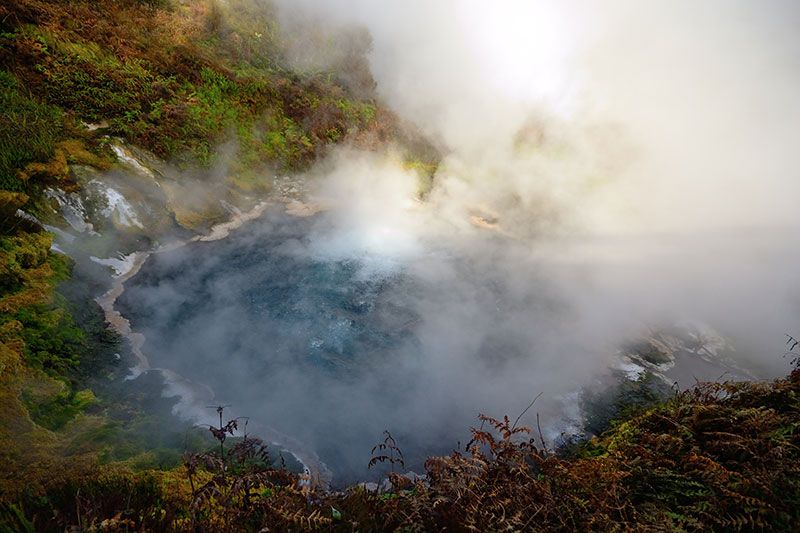
A big mistake is not using your time in the country wisely, or not spending enough time in New Zealand. It’s a big country and there is a lot to see.
Not being friendly
People in the country are very friendly. New Zealand along with Denmark are number one in the world of having the lowest corruption rates. Racism levels are very very low in New Zealand.
They are open people and have an open mind to new people, new cultures.
The sun isn’t that strong
It’s a misconception that the sun isn’t that strong in New Zealand. Make sure you wear eco-friendly suncream at all times when you’re outside!
Not keeping the nature safe
While enjoying the outdoors is suggested to don’t remove any plants or other natural resources and always pick up your garbage.
Not going off the beaten path
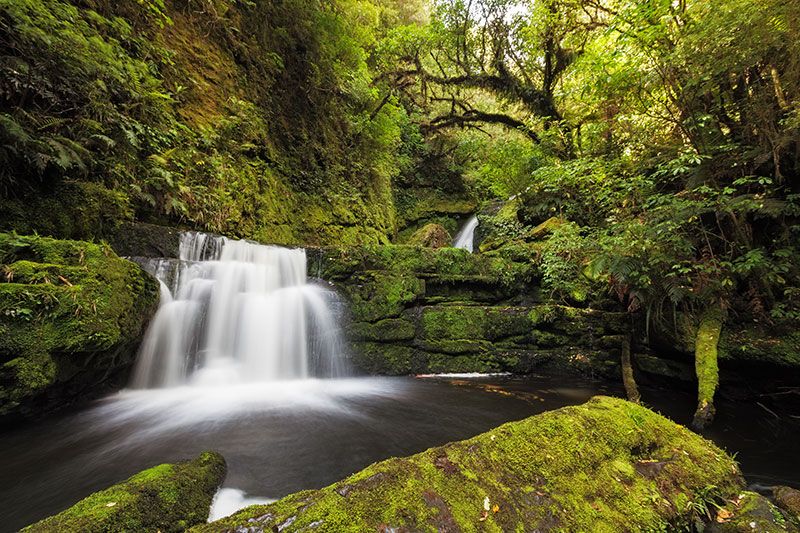
Off the beaten track you will discover some of the most beautiful, untouched and rugged areas and hidden treasures. If you want autonomy in your trip, you can’t go wrong with New Zealand.
Explore New Zealand and see parts that you don’t see in the guidebooks.
Sights
New Zealand is renowned as a beautiful country, but you don’t realize just how beautiful until you get there! You will be down away by its beauty.
British ecotourism company Responsible Travel released a list of its 10 favorite destinations for green eco-travelers; see what made the cut, plus our recommendations of what to do in each eco-friendly locale.
When considering your next big trip consider going to an eco-destination. What makes a destination eco?
Here are a few criteria that have to be met to earn the “eco” stamp:
It’s built using environmentally sound methods and/or operates with alternative energy sources
It minimizes human impact on natural habitats and promotes resource conservation
It sustains the well-being of local people and/or indigenous communities
It helps raise visitors’ environmental and cultural awareness
Here is our list with top 10 eco-travel destinations
Photo: Courtesy Prefeitura Municipal de Turismo, Bonito
1. Bonito
Bonito, in the Brazilian state of Mato Grosso, is one of the top ecotourism destinations suggested by responsibletravel.com ahead of the 11th World Responsible Tourism Awards.
This remote town in western Brazil is sometimes called Caribe do Centro-Oeste, due to its spectacular blue rivers, whose limestone beds act as a natural water filter. The town’s proximity to the Serra da Bodoquena National Park ensures protection of the area’s ecosystems, which are some of the oldest and most diverse on the planet. Resorts such as the gorgeous Santa Esmerelda are catching on to the eco-friendly trend.
Tourists can enjoy a wide range of spectacular beauties in the area, including waterfalls, crystal lakes, caves with stalactite formations and the surroundings of the Serra da Bodoquena national park, much of which is not open to tourism for conservation reasons.
The clarity of the water where travelers can practice snorkeling or scuba diving is due to the large quantity of limestone in the ground, which works as a natural filter leaving impurity on the bottom of lakes and rivers and making these some of the more transparent and clear in the world.
Photo credit: www.tablemountain.net Courtesy Cape Town Tourism
2. Cape Town
South Africa is a leader in responsible tourism and a mecca for Eco Travel. Named by Conservational International as one of the seventeen megadiverse countries in the world. The biodiversity is truly astounding. There are numerous conservation efforts and projects in OUSth Africa designed to protect the native species.
Cape Town is remarkable for its combination of natural beauty and captivating culture. The capital city offers easy access to beaches, forests, and mountains alike. Many restaurants source food locally, and reliable public transportation or the carbon-neutral Green Cabs make it easy to get around. Choose accommodations like the Grootbos Nature Reserve, which takes measures to preserve its land and the animals native to it. Travelers are welcome to go on a Cape Canopy Tour and zip across the Hottentots Holland nature reserve, imitating the majestic eagles in all but the sharpness of eyesight. An exhilarating ride for anyone willing to share the sky with soaring birds to take in the absolute beauty of the Western Cape from a much more thrilling perspective.
Photo credit: Pixabay
3. Birdwatching in Hangzhou, China
Hangzhou, tipped as ‘Paradise on Earth’, is China’s top eco travel destination. It is one of the few places in China where people can watch wild birds chirping in the downtown area. A perfect destination for nature lovers, at Hangzhou’s West Lake, you can glimpse the birds flying over the skyline. Home to dozens of historical sites, the wooded hills encircling the lake are studded with pavilions, towers, pagodas, and caves. The Xixi National Wetland Park in Hagzhou is teeming with biodiversity and a 180 bird species. It allows visitors an intimate glance at the Underwater Ecological Observation Corridor. And for hiking enthusiasts, the Bamboo-lined Path at Yunqi is a serene escape.
Photo credit: Flickr / Rennett Stowe
4. Blue Mountains, Australia
Designated a UNESCO World Heritage site in 2000, Australia’s Greater Blue Mountains Area is a popular ecotourism trip for Sydneysiders seeking to trade in the buzz of the city for the calm of the great outdoors. A mere 90-minute car ride from Sydney, the Blue Mountains (named for the blue hue cast by the eucalyptus oil produced by the region’s native trees) cover some 550 square miles of valleys, swamps, rocky outcroppings, and narrow canyons – topped off by stellar vantage points from which to ogle Australia’s beauty.
A handful of national parks and reserves comprise the area, hosting dozens of trails through breathtaking terrain loaded with unique flora (don’t miss the ancient Wollemi pine, one of the world’s rarest species) and fauna (some 400 species, including koalas, call the Blue Mountains home). Rock climbing, mountain biking, rappelling, canoeing, and horseback riding are just a few of the activities – aside from bushwalking – to enjoy here in the wild. Of course, the prospect of relaxing and breathing in the fresh mountain air at one of the area’s many eco-friendly lodges and cabins can be equally enticing.
Photo credit: Chris McLennan
5. New Zealand
New Zealand is a spot that’s difficult to fully take in during a single trip. Its varied terrain is home to diverse plants and wildlife and makes a beautiful backdrop for hiking, biking, and camping. New Zealand is also one of the most popular destinations for luxury ecotourism, offering comprehensive tours and fancy accommodations with no harm to the environment.
Photo credit: Tea Fields in Kerala. Photo: Midhun Subhash via Wikimedia Commons
6. Slow Travel in Kerala, India
Kerala’s spellbinding rivers and lush fields have deservedly made it one of those eco-travel destinations you must see in your lifetime. In fact, Kerala Tourism has won the award for world’s best responsible tourism project at the World Travel Market London. Kerala’s landscape is as fragrant as it is beautiful. With its hills covered in sweet-smelling spices and gorgeous-looking plantations of tea, every inch of Kerala seems to bear witness to arresting beauty. Travelers can slowly take in and admire Kerala whilst traveling by kettu vallam (tied boats) along glimmering backwaters or take to the road to enjoy delicious cuisine and coffee in the urban areas of the state.
Photo credit: Namibia via Pixabay
7. Wildlife Adventures in Namibia
Namibia’s name is derived from the world’s oldest desert, the Namib. With its golden grass and singing rivers, Namibia easily gathers what the best and most awe-inspiring characteristics of Africa in one stunning place. It can also boast of being one of the best places to watch African wildlife as there is an abundance of elephants, rhinos, lions both in private reserves and freely roaming the African prairies. Namibia offers value for money as camps are priced in Namibian dollars, a currency tied to the South African Rand, rather than the U.S. dollar like many southern African safari destinations, which means your wonderful 5-star trip can be taken at a 2-star price.
Photo credit: Schalz
8. Tobago
This Caribbean island is home to the world’s oldest legally protected rainforest. The Main Ridge Forest Reserve contains a diverse mix of wildlife, including a whopping half of the island’s aviary population (birdwatchers, have your binoculars ready). While many parts of the island (including endangered reefs) have sustained significant damage from hurricanes, the Forest Reserve’s World Heritage Status keeps it well protected.
Photo credit: Jose Letelier Hernandez
9. Extreme Adventures in Bariloche, Argentina
If you are one who loves some extreme sports with their eco-travel, then Bariloche might be the perfect destination for you. Bariloche can boast of an incredibly vast ecosystem- from snowy Andean mountains to thick green forests and glimmering lakes- and this means the fun is almost never-ending! You can have a refreshing time kayaking across crystal blue waters in a guided kayaking tour. If you are partial to a wilder side of adventure traveling then don’t fret – Bariloche’s winds are perfect for paragliding and you´ll never be disappointed with the breathtaking view and stunning mountain ranges seen from far above. Bariloche’s gorgeous landscape will definitely keep you mesmerized wherever you go and if you decide to go trekking for a change then there is no shortage of mountain paths and vistas for you to admire.
Photo credit: Nick Thorne
10. The Lake District National Park
Home to 12 of England’s largest lakes, this sprawling parkland contains a diverse sampling of British flora and fauna. For human visitors, there’s a hiking, boating, and nature exploration, as well as free guided bike and walking tours. In 2006, representatives from various protection agencies joined forces to found the Lake District National Park Partnership, which oversees maintenance and preservation of the park’s 80,000 acres of land. They are currently seeking a bid for World Heritage Status, which would ensure even more protection. The Park also offers many opportunities for volunteer work so that visitors can be sure they’re leaving its forests as beautiful as they found them.
A healthy environment goes hand-in-hand with a healthy lifestyle. There are many ways to go about supporting the environment while eating nutritious foods. Every meal you eat has an environmental impact, from the pollution caused by farming to the carbon footprint of delivering it to your home. There are some simple steps you can take to help the planet and to be sure that your environmentally friendly eating actually helps the environment.
So, here we put together a few tips that will help you start your environmentally friendly way of shopping and eating:
1. Eat Sustainable Seafood
Fishing is one of the most significant drivers of declines in ocean wildlife populations. Overfishing not only damages the marine environment, but billions of people rely on fishing for their income or for protein. Fishing is not inherently bad for the ocean, except when is done in size that can recover – overfishing. Overfishing and climate change are negatively affecting the fish population.
As CTVNews pointed out here, the Bluefin tuna population has fallen 97 percent from its historic levels. In the last few years, many governments have introduced regulations to help fish recover, but it is important the consumers to understand what steps they can take to ensure they are buying seafood that is not raised in any way that hurts the environment.
2. Buy Local
When you buy from stores that feature local products, like the food at farmers markets, you help the environment, because these goods were not shipped to you and no fuel has been used and cause less environmental harm. The ‘Buy local” movement is growing, you have to understand the environmental benefits of buying local. Understanding how is your local produce grown is important to keep in mind. For example, if you buy local produce from a greenhouse gas perspective compare to grown in fields you may not be doing any good to the environment. So if you want to support the local economy, understand how the local produce is grown.
3. Don’t Waste Food
The global volume of food wastage is estimated at 1.6 billion tonnes of “primary product equivalents.” Total food wastage for the edible part of this amounts to 1.3 billion tonnes.
The movement to reduce food waste is gaining traction. France has introduced legislation preventing grocery stores from wasting food, new apps can connect retailers with consumers willing to buy food near expiration, and people are becoming more aware.
Packaging not only protects food quality and safety, but also brings damage to the resources and the environment, and even leads to serious ecological problems. Most of the things we use at home and at work are produced somewhere else so that they have to travel to get to us. Consumers benefit from packages because they protect products as they travel, whether fast food or refrigerators, no matter how far they have to go.
It is important to recognize the potential reduction in pollution that would result from reusing and recycling containers. A new system is needed in which consumption is decreased, and materials are reused and recycled.
5. Reduce Meat Consumption
Eating less meat is better for animals, people and the planet. Sustainably produced meat is slightly more expensive than that from animal factories, reducing the amount of meat you eat will also mean you save money.
You can reduce your overall meat intake by eating some vegan or vegetarian meals and by reducing the amount of meat you eat in each meal.