Saba is an unspoiled relaxing island in the Dutch Antilles located just 12 minutes flight away from Dutch/French St. Maarten/St. Martin. You can get to St. Maarten via direct flights from Amsterdam, Paris, New York, Boston, Miami, Dallas, and Toronto.
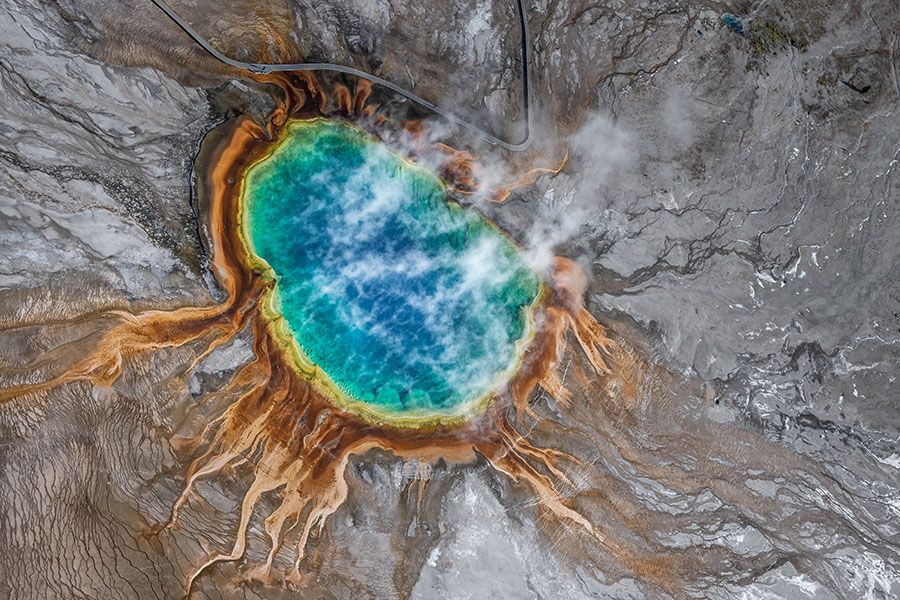
Saba is the northernmost island of the volcanic inner arc of the Lesser Antilles and was formed about 500,000 years ago, making her relatively young compared to other islands in this region. There is still a lot of geothermal activity.
The volcano Mount Scenery, which at 887 meters (2,910 ft) is the highest point within the Kingdom of the Netherlands.
This friendly and charming with exquisite natural beauty both above and below her waterline island, at around 5 square miles, is home to the Saba Marine Park, scuba divers, and snorkelers can see large coral formations, turtles, dolphins, and sharks. The lovers of hiking can enjoy breathtaking views!
There are a variety of shops and markets on the island, as well as a post office, police station and library. You can buy local Caribbean art at The Peanut Gallery, The Little Green Shop Saba or El Momo, or get your diving gear and sportswear at Sea Saba Dive Center. Visits the Harry L. Johnson Museum, which is a 160-year old sea captain’s cottage. You have the opportunity to see hot glass art, jewelry, and beads being made.
Photo credit: Radioflux Wikipedia
Even there are no franchises on the island, you still have plenty of choice for accommodation local hotels, lodges, villas and cottages that will satisfy your travel needs. One of the great places to stay on Saba is the Queen’s Garden Resort. It is a truly unique place with antique furnishings and artwork, and exotic furniture from the West Indies. It has the largest swimming pool on the island, a fine breakfast lunch & dinner restaurant, panoramic views of the turquoise blue Caribbean, and nearby mountains.
Another great thing about this island is that there are no mosquitoes.
This island is perfect for a serene and intimate getaway!
Saba is also known as the “Unspoiled Queen of the Caribbean”, with less than 2,000 residents and no crime, no high rises, neither traffic nor traffic lights, no pesty insects, no crowds, no fast-food restaurants, no casinos, no cruise ships. You can enjoy a true life experience with the local residents in some of the local eclectic bars and restaurants after a hike in the mountain rainforest.
Hikers on the island can ascend to Mount Scenery, the island’s highest point, or take a more extreme North Coast hike that passes by old town ruins and culminates in ocean vistas.
The capital Bottom, St. Johns, Windwardside, and Zions Hill are the four villages of Saba.
Photo credit:Mark Yokoyama
The island’s flora and vegetation are lush, with tropical rain forests where one can find orchids, mahoganies, palms, as well as mango, orange, and many other fruit trees. Saba is a paradise for the scuba enthusiast. This island’s beauty extends below the waterline into an exciting marine environment rich in corals and active with fish life.
Saba Divers is an award-winning dive center with its main priority on non-crowded, safe and fun dives. They organize all you need on the beautiful island.
There are not so many islands in the Caribbean that offer such rich biodiverse as Saba for its size, with its three ecosystems (rainforest, cloud forest, and coral reef) and seven vegetation zones.
Check this video from John Coffey about why Saba is a paradise above all others!
Check our others blog posts and learn more about other sustainable cities.
Raja Ampat is one of the richest in bio-marine life in the world, located in the center of the Coral Triangle. Enjoy the crystal-clear water by diving, snorkeling, kayaking, swimming or sailing. Raja Ampat is located on the island of New Guinea, the world’s second-largest island in Oceania. The island is divided between two countries: Papua New Guinea to the east, and Indonesia to the west.
What Should You Take?
Outside the main towns there are very few shops selling anything but snacks, and definitely no ATMs.
Having the right gear can make all the difference to your snorkeling trip. You don’t need to bring much for island hopping in Raja Ampat, but here are a couple of things we think are essential to pack.
Waterproof Bag | This water-resistant bag you can use to protect your electronics during water activities.
Snorkel Mask & Fins | If you plan on snorkeling snorkel mask is a must and helps you save energy, and dive easier.
Water Bottle | Raja Ampat is one incredibly beautiful place in the world, don’t litter plastic, use SteriPen.
GoPro | This adventure underwater camera is a must, especially snorkeling.
Sunscreen | Sun is way too strong on the equator and if you are spending all day in the water, so need a quality sunscreen. Please, make sure you use a reef-friendly biodegradable sunscreen for snorkeling.
The risk of contracting malaria isn’t high, but it’s a possibility, so wear light long-sleeved clothes in the evening and sleep under a mosquito net at night.
Many of the smaller islands don’t have shops so pick up things like toilet paper, snacks, and drinks before you leave Sorong.
Travel Insurance
Travel insurance is designed to help cover your expenses if something goes wrong on your trip. World Nomads Travel Insurance has been designed by travelers for travelers, and it is the most popular insurance as they cover travelers from over 150 countries around the world, offer great rates.
How to get to Raja Ampat
To get to Raja Ampat, you’ll first need to fly to the airport at Sorong. Garuda Indonesia and Sriwijaya airlines have daily flights from Jakarta to Sorongand from there you’ll have to fly to Raja Ampat.
You need a permit to visit Raja Ampat and you can purchase one at the Tourism Information Centre in Sorong or at designated spots in airports and ports.
You can also fly there from a few other cities in Southeast Asia such as Singapore, Kuala Lumpur, or Davao.
Wreck diving is one of the top activities on Raja Ampat. Other points of interest include Kabui Bay and its dramatic karsts of limestone, as well as Sawandarek, which features lovely coral and white sand beaches.
Experience the beauty of sailing, as the majority of connection between the islands, is by boat, you’ll need to feel comfortable with moving about the vessel. Smooth sailing depends on the weather, so itinerary changes may occur at the last minute if the weather becomes unfavorable.
There are two main ways to experience the area as a diver – on a liveaboard or with a resort.
Remember to pack sun protection, such as sunscreen and a hat, and drink plenty of water to keep hydrated.
Best Time to Visit the Raja Ampat Islands
Raja Ampat is close to the equator and the temperatures don’t vary much and range from around 25-32° with an average humidity 83%. The best months are from October to December. You may want to avoid June – September, the summer months – when there are more heavy rains and storms.
Raja Ampat really is an incredible part of the world and is definitely worth visiting, but preparing for the trip is always important.
Make sure to double-check that you have all relevant legal documents before you go on your journey – passport, visa, proof of a return ticket, insurance policies, dive certifications.
Bhutan, a Buddhist kingdom on the Himalayas’ eastern edge, is known for its monasteries, fortresses and dramatic landscapes that range from subtropical plains to steep mountains and valleys.
It is famed for its high mountain peaks and range of trekking opportunities, its diverse, natural Shangri-La, a variety of landscapes, and an incredible array of fauna and flora, from subtropical valleys to alpine peaks.
Bhutan is one of the most unique places to visit on our planet. By law, 60% of the whole country’s national forest is protected, and it makes Bhutan tours perfect for trekkers, monastery-lovers, Buddhist pilgrims and the merely curious.
Bhutan is home to some exceptional wildlife including Himalayan Black Bear, Asiatic Black Bear, Asian Elephant, Bengal Tiger, Red Panda, Himalayan Musk Deer, Sloth Bear, Leopards, and the Gray Wolf.
What’s included in the Bhutan tourism fee?
Your daily fee for Bhutan includes:
Visa
Licensed Bhutanese guide from an official Bhutanese tour operator.
Driver and transportation – a new 4×4, or a tour bus. Do not cover any internal flights.
Accommodation – includes a 3-stars hotel. If you want something more luxurious like 5-star hotels expect to pay several hundred dollars more per day.
Entrance fees to tourist sights
Food and most non-alcoholic drinks.
Trekking gear.
All taxes within the country.
Most travelers are not well informed what that fee includes and they fill like it is on the expensive side but as you can see, the Bhutan tourist fee covers all of your necessary expenses within Bhutan.
Thimphu is the capital of the Kingdom of Bhutan, and with a population of around 80,000 is the nation’s largest city. The city is the political and economic center of Bhutan, has a dominant agricultural and livestock base, which contributes 45% of the country’s GNP.
Settlements in Thimphu Valley has existed since 1216. In 2008, the national stadium was completed together with a new river-side park.
Thimphu is well endowed with attractions. Some of the most popular attractions are:
Changangkha Lhakhang – constructed in the 15th century, this is one of the oldest temples in the Thimphu Valley. The temple offers wonderful views over the entire valley.
The National Memorial Chorten – located off Jangchhub Lam, the stupa was built in 1974 in memory of the third king.
Statue of Sakyamuni Buddha, sitting on top of Kuensel Phodrang hill is a 51.5mt bronze statue of the founder of Buddhism.
Museums/Galleries – National Folk Heritage Museum, the Royal Textile Academy, Alaya Gallery, Water Dragon Gallery are just a few.
Trashi Chhoe Dzong. – the present dzong was built in the 18th century by Shabdrung Rinpoche to house government officials.
Simtokha Dzong – built-in 1629 by Shabdrung Ngawang Namgyal, Simtokha was the first dzong to be built in a unified Bhutan.
The Takin is the national animal of Bhutan, and looks like a cross between a cow and a goat. Serbithang botanical garden offer a peaceful and relaxing environment to spend a few hours. Botanists will find the wide selection of indigenous trees and plants of interest.
Zorig Chusum School of Traditional Arts, near the National Library, was established in 1971 to preserve the thirteen traditional arts of Bhutan, and visitors are able to observe students honing their skills.
Thimphu Centenary Farmers Weekend Market is by far the largest domestic market for the farmers of Bhutan. Farmers from as far as Lingshi in the north, Tashiyangtse in the east, and Sarpang, Dagana and Tsirang in the south bring their farm products to the market. Across a cantilever footbridge, Kuendeyling Bazaam, to the west bank is a collection of stalls housing clothing, fabric and handicrafts.
Visit Paro
Paro is a historic town with many sacred sites and historical buildings scattered throughout the area. In addition, the Paro Valley is wide and verdant and is recognized a one of the most beautiful in all Bhutan.
The only international airport in the kingdom is located at Paro, and there are two national airlines operate flights to Bhutan: Drukair and Bhutan Airlines. Along with Jakar and Punakha, Paro forms the ‘golden triangle’ of popular tourist destinations in country. Some of the main attractions here are:
Taktsang Monastery, (Tiger’s Nest). Precariously perched on the edge of a 1,200-meter cliff, this monastery creates an impressive sight and is the unofficial symbol of Bhutan. It is about 2-3 hours, totally up-hill hike from the parking lot to the monastery, though there is a cafe located on the ridge across from the Taktsang (about 90 minutes into the walk) that provides a welcome opportunity to take a rest and purchase refreshments and snacks.
National Museum of Bhutan. Located in a former watchtower above the dzong, the museum displays artifacts from Bhutan’s history as well as examples of indigenous flora and fauna.
Rinpung Dzong, which was constructed in 1646.
Drukgyel Dzong This dzong (fortress) was built in the 16th century to commemorate a victory over the invading Tibetan forces.
Drakhapo, above Shaba (keeping Shaba School to the right, follow the dirt road to the end. The complex is a five-minute walk from here). Drakhapo is a monastic complex perched on a cliff. Guru Rinpoche spent two months here after completing a retreat at nearby Taktsang, and during his stay placed many treasures (terma) into the cliff. The area also has several hand and footprints embedded in the rock.
Kichu Lhakang is one of the 108 monasteries that were miraculously constructed by King Songten Gampo in one night. It is located just off the road running between Paro bazaar and the Taktsang.
Jangsarbu Lhakhang, located behind Paro Dzong. This small and insignificant looking temple is home to a magnificent statue of Sakyamuni Buddha that was carried all the way from Lhasa, and also houses the protector deity of Paro.
The Punakha Dzong, also known as Pungthang Dewa chhenbi Phodrang, is the administrative centre of Punakha District in Punakha, Bhutan. Constructed by Ngawang Namgyal, 1st Zhabdrung Rinpoche, in 1637–38, it is the second oldest and second largest dzong in Bhutan and one of its most majestic structures.
Dechen Phrodrang Monastery
This was once the original dzong of the city. Dechen Phrodrang. meaning “Palace of Great Bliss”. is a Buddhist monastery in Thimphu, Bhutan. The monastery contains a number of important historical Bhutanese artifacts including 12th-century paintings monitored by UNESCO and a noted statue of Shabdrung Ngawang Namgyal
Changlimithang Archery Ground
Changlimithang Stadium is a multi-purpose stadium in the capital Thimphu, which serves as the most-used National Stadium. The stadium was initially constructed in 1974 for the coronation of the fourth Druk Gyalpo Jigme Singye Wangchuck. Located 2,300 meters (7,500 ft) above sea level, the stadium is one of the highest in the world with seating for around 10,000 people.