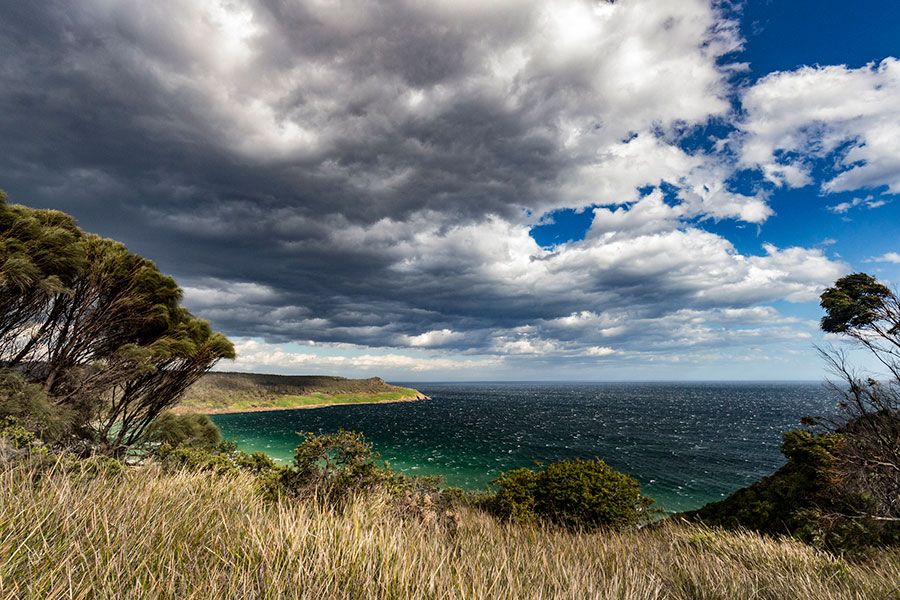
The Republic of Palau, a tropical archipelago located in the western Pacific and made up of over 340 islands. All these islands make up a land area of approximately 180 square miles with a population was over 21,000. Palau is also home to some of the world’s healthiest and most impressive UNESCO-listed reefs.
Palauans may represent many parts of Melanesia, Micronesia and Polynesia. However, they are not traditionally considered to be Micronesian. English and Palauan are the official languages, although some islands also give official status to their own languages. The state of Angaur is actually the only place in the world where Japanese is an official language, as Japan has no official language.
It is our responsibility to show our guests how to respect our island home, just as it is their duty to uphold the signed pledge when visiting.
– said Tommy Remengesau,
President of the Republic of Palau.
Palau’s pledge
Palau is the first nation on earth to change its immigration laws for the cause of environmental protection. Upon entry, visitors need to sign a passport pledge to act in an ecologically responsible way on the island, for the sake of Palau’s children and future generations of Palauans.
Every tourist who takes the pledge needs to follow this sustainable tourism checklist or risk a fine.
Don’t collect marine life souvenirs
Do support local businesses and communities
Don’t feed the fish and sharks
Don’t drag fins over coral when swimming
Don’t touch or step on coral
Don’t take fruit or flowers from gardens
Do learn about the culture and people
Don’t touch or chase wildlife
Don’t litter
Don’t smoke in restricted areas
This Pacific archipelago of about 200 natural limestone and volcanic islands, covered in lush forests and surrounded by an aquamarine lagoon. However, large-scale mass tourism is threatening to destroy its fragile environment, rich in biodiversity. Tourism can provide wealth, but when large numbers of visitors go to a destination, it can have positive and negative impacts.
Education will play an important part in supporting the pledge as locals commit to protecting and celebrating the uniqueness of their sacred home.
The country has become the first country to ban many kinds of sunscreen, in a move to protect its coral reefs from chemicals
History of Palau
Palau islands were made part of the Spanish East Indies in 1885. Following Spain’s defeat in the Spanish–American War in 1898, the islands were sold to Imperial Germany in 1899 under the terms of the German–Spanish Treaty. In 1947, the United Nations decided the United States would administer Palau as part of the Trust Territory of the Pacific Islands. Palau voted in 1994 to freely associate with the United States while retaining independence under the Compact of Free Association.
Like other Pacific Island countries, Palau is particularly vulnerable to the impacts of climate change, including severe weather events and rising sea levels.
Pacific Island nations are facing threats and challenges to their seas and lands, cultural heritage, and livelihoods from development, climate change, and increased global demand for resources.
The cities are well developed and clean.
Almost all internet and telecommunications are provided by the Palau National Communications Corporation (PNCC). An international SIM card can be assigned a local number upon arrival. Free Wi-Fi can be found in many hotels, restaurants, and coffee bars, but this is relatively slow and unreliable.
Biodiversity
Dense tropical broadleaf forests cover most of the volcanic and all of the limestone islands, with the exception of Babeldaob
The upland forests of Palau are the most species diverse in Micronesia and contain several endemic species. There are six native palm species, generally found in the understory or middle canopy layers of the forest.
Because of agroforestry, little remains of the native atoll forests, except on uninhabited atolls. Atoll forests are found toward the interior of the larger, wetter uninhabited atolls and along coasts of the high islands.
Limestone forest is found on the coral islands of Peleliu, Angaur, and the Rock Islands.
Originally, Palau was probably almost completely forested; today, forest cover is only about 75 percent.
Want to learn more about sustainable travel? Check our other posts about sustainable travel.
With so many people /over 7.5 billion people/ sharing limited resources on our planet is important and people have to do whatever they can to help conserve and protect the environment.
How to Become More Environmentally Friendly
To help you get started on going green we put together just a few ideas on how to be environmentally friendly.
According to Wikipedia,
“Environmentally friendly, environment-friendly, eco-friendly, nature-friendly, and green are marketing claims referring to goods and services, laws, guidelines and policies that inflict reduced, minimal, or no harm at all, upon ecosystems or the environment.”
Here are some of the practically effortless ways you can become environmentally friendly and show more care to our earth.
Photo credit: nature.com
Reduce your meat consumption
Adding alternative food, such as more eco-friendly protein sources, to your diet — beans, nuts, and soy products are a few options. Today more and more young people are adopting a vegetarian and vegan lifestyle. But if you are struggling with switching your diet and reducing meat consumption, a good start would be flexitarian diet, where you reduce meat consumption to two or three days a week. This is a painless way to consume less meat and improve your health, reduce your carbon footprint and protect the environment.
Dispose of Chemicals Correctly
There are many different types of hazardous waste, such as ignitability, corrosivity, reactivity, toxicity. And some chemical products can be hazardous after they’ve been disposed of.
Hazardous chemicals like paint, oil, ammonia and other chemical solutions when disposed openly, can cause pollution in the air and water. The polluted air and water can have serious consequences on human health.
Many household cleaners, including medications, aren’t safe and environmentally friendly to put down the drain. These things cause pollution that is more difficult for water treatment centers to remove from the water. Keep your water supply clean and free from pollution!
Reduce Energy Consumption
Make sure you turn off what you aren’t using
To save energy, make sure lights, TVs and other electronics are turned off when you aren’t using them. You can further save energy by unplugging the appliances you don’t use frequently. Use LED bulbs.
You can help to reduce food waste by simply, using a stainless steel lunchbox to keep your leftovers for your next meal. This way you not only save time and money but also cut down on waste.
Swap plastic water bottle with a stainless steel bottle
This not only helps you save some money in the long run but also helps reduce plastic use.
The plastic ends up in the ocean, where it damages marine life and forms enormous plastic islands with the size of Texas. A simple stainless steel water bottle is a sturdy and cost-effective alternative to buying bottled water.
Buy Recycled Products
When you shopping, online or from the store, try to buy products that are made up of recycled materials with minimal packaging i.e. the product should be environment-friendly. Check if the product was made from recycled materials or the use of plastics or chemicals was involved in its production.
Use Your Car Less
The average American puts more than 10,000 miles on their car each year, with the largest share of miles coming from commuting to and from work most days of the week. All of that adds up to some serious pollution and lasting environmental damage. Many cities have or are in the process of adding improved public transit systems. Using public transit and going green means fewer vehicles on the road, lower emissions, cleaner air, and — bonus — a chance to avoid feeling road rage when someone cuts you off in rush hour traffic.
Use a carpooling service like BlaBlaCar to find other travelers going in the same direction. Not only you are helping the environment, but it also allows you to split travel costs.
Photo credit: Freepik
Use Reusable Shopping Bags
Plastic grocery bags are really harmful to the environment and wildlife, and it can take over a century to break down. Next time you go to the store bring with you environmentally friendly reusable grocery bags. If you forget to bring your reusable bags and end up using plastic ones, take them to a drop off area where they can be recycled properly. Plastic bags should not end up in the landfill or on the ground
Replace Paper Tower with Cloth
As Oceanconservancy stated more than 13 billion pounds of paper towels are used in the United States alone each year. Unfortunately, paper towels cannot be recycled because they are usually made from already recycled paper pulp. So next time when you think of reaching for a paper towel to wipe up a spill, use an eco-friendly dishcloth.
Turn off the tap
Get rid of the bad and start turning off the faucet while brushing their teeth or shaving. It saves a ton of water in the long run.
Uruguay is a South American country known for its verdant interior and beach-lined coast. The capital, Montevideo, revolves around Plaza Independencia, once home to a Spanish citadel. The name Uruguay means a river of colorful birds. It is a word in Guarani that was spoken by the natives of the area.
15 Must-Visit Attractions in Uruguay
Uruguay is one of the most eco-friendly countries in South America and it is pretty liberal as marijuana and gay marriage are legal, and it is also.
Montevideo is the capital and largest city of Uruguay. It is a city with a long history and a rich culture, founded in 1724.
With WiFi available in public places and e-scooters filling the city, Montevideo is leading Latin America’s digital revolution.
The exchange of culture and traditions has always nourished Montevideo’s literary movements. The capital is home town of many renowned writers, including Mario Benedetti and Juan Carlos Onetti.
The oldest part of Montevideo, La Ciudad Viejais is mostly cobblestoned with many historical buildings showing the colonial history of Montevideo city such as the cathedral, main plaza and several museums.
San Gregorio de Polanco is a small city in the Tacuarembó Department of northern-central Uruguay. It is one of the best tourist attractions in Uruguay because of its pure healthy air, abundant flora, and blue aqua.
This small town has only 3,000 residents, but there are plenty of things to do including a visit to the native visual arts museum, the excellently adorned OSE water tank, and the regional parish with the art gallery inside.
Salto is an affordable and it offers enough attractions make life interesting. It is the second largest city in Uruguay with a population over 110,000.
Some of the attractions include the Salto Grande hydroelectric Dam shared by Argentina and Uruguay and the AcuaMania Waterpark.
The city owes its name to the Spanish word used to refer to the many falls of water created by the Uruguay River in that area.
Nueva Helvecia is 120 kilometres west of Montevideo, the capital and largest city of Uruguay and just a few miles from the coast of the Atlantic Ocean. Nueva Helvecia was the first tourist area in the country. The city has plenty to offer to visitors with its history, culture, local cuisine and natural surroundings full of beauty.
The region is famous for its dairy production. Travelers can visit an artisan cheese factory and learn about the production of different cheeses.
Some of the tourist attractions include the Plaza de los Fundadores, the city gate, Regional Archive Museum, the José Pedro Varela Municipal Park, the OSE tank, with its unusual architecture and the Schöenstatt Shrine.
Piriápolis is located in the Department of Maldonado, only one hour away by car from the City of Montevideo. This historic town is about 40 km west of Punta del Este. Piriápolis was the first beach resort in Uruguay and one of the most popular.
The weather from November to April is pleasantly warm and dry, perfect for plenty of beach time. June to September is cooler and wetter. The active season is between December and March.
There is also a natural reserve of native and rare South America fauna.
Rocha has some of the very best beaches in Uruguay and visitors can enjoy them almost ten months of the year. This is a place with wild isolated beaches and surprising nature is yet to be fully discovered.
In recent years many visitors have discovered the great personality of this fishing village on a rocky point where the sea has sculpted to create almost perfect round shapes and strange stone seas.
The beaches are spectacular; Brava is the southwest, with waves that cut special blue-green. It is ideal for children Mansa Beach, a quiet and huge wind sheltered bay.
Tacuarembó town is fairly small and easily walkable. However, a good number of attractions lie out of town and you’ll need your own transport to reach them. It is located in the heart of the country about 200miles away from the capital.
Fiesta de la Patria Gaucha is a big event during the second weekend of March. It celebrates countryside life and customs. Accommodation is a big issue at the festival.
Some 150 sculptures and murals outdoors exhibits can be enjoyed in public and private spaces in various parts of the Tacuarembó department.
The economy of Durazno largely depends on agriculture and agrotourism. The raising of sheep, and of cattle.
The Yí and Negro Rivers and large streams and in the lakes Rincón del Bonete and Baygorria.
Attractions in Durazno include important events such as the Folklore Festival and the ‘Meeting of the Gauchos’, places like the Hispanidad Park, located a few kilometers from the city, the church of San Pedro Parish, Regional Art Museum, Casa del General Museum.
Carmelo is famous with its winemaking. Winemaking was brought to the region over a hundred years ago by European immigrants. It is one of Uruguay’s largest wine-producing area.
The very alkaline soil with fossils creates a perfect microclimate for vines.
Points of interest in this area are Punta Gorda, Zagarzazú and Colonia Estrella. Close to Colonia Estrella is the Zagarzazú beach.
Nearby places are the picturesque Colonia, historic Fray Bentos, and the spa towns of Paysandú and Salto.
Carmelo is an ideal destination for those looking for a place to relax and for wine lovers tourism due to the large variety of vineyards and wineries.
Cabo Polonio is a rocky point that stands 15 meters above the ocean, with two inhabited islands across one of the largest reserves of sea lions in the world.
There is no water or electricity in Cabo Polonio. This place is attracting many bohemians and backpackers.
You can just lay on the beach and forget about all the luxuriate.
Punta del Este is a city and resort on the Atlantic Coast in the Maldonado Department of southeastern Uruguay.
Some popular attractions in the area include the La Mano giant sculpture, the Santorini-styled complex Casapueblo, the Enjoy Punta del Este hotel and casino complex, La Barra neighborhood, the iconic Puente Garzón, Gorriti Island, Arboretum Lussich, and the Museum of the Sea. Here is also the Ralli Museum, featuring exquisite pieces of modern and contemporary Latin American art.
Paysandú is one of Uruguay’s most important cities. It is located in the northern part of Uruguay. Due to the historical events in this area, Paysandú is important tourist attraction. Just a few miles away you’l find the Guaviyú and Almirón hot spring resorts.
Some of the attractions of this beautiful historical city include the Historical Museum or the Perpetuity Monument where you can learn a part of the rich and booming history of the city.
Paysandú has many events, including Beer Week – one of the most important events celebrated in Uruguay, which attract many tourists from all over the world.
It is the last coastal resort of Uruguay and it is bordering with Brazil to the southeast. What is interesting is that the main street in Chuy is the actual border between Uruguay and Brazil.
The border is open, so you’re free to cross back and forth between the Brazilian city Chuí and Chuy.
Chuy’s residents are mostly Uruguayans and Brazilians, with almost all its residents speaking Spanish and Portuguese.
It has long beaches which makes it ideal for long walks on the beach. Some points of interest are the Santa Teresa Park, the San Miguel Fort.
“Chui” was also the name the Indians gave a yellow-breasted bird.
Colonia del Sacramento is a city in southwestern Uruguay, across the Río de La Plata from Buenos Aires. It’s known for its cobblestoned Barrio Histórico, lined with buildings from its time as a Portuguese settlement.
It has a long history and it was founded by the Portuguese in 1680 on the Río de la Plata, the city was of strategic importance in resisting the Spanish.
The historic Colonia del Sacramento is declared a World Heritage Site by UNESCO in 1995 and attracts thousands of visitors during the year from around the world. Travelers can enjoy a unique landscape with spectacular views of Río de la Plata.
Main photo credit: Wagner T. Cassimiro “Aranha” Wikipedia