The Thompson Okanagan looks and feels different than much of the rest of British Columbia. The Okanagan Valley is a popular vacation destination and fast-growing region centered on the 155-km-long Okanagan Lake. The region is known for its dry, sunny climate, dry landscapes, and lakeshore communities and a particular lifestyle.
Home to over 90 communities and over 200 licensed wineries, the landscape is as varied as the tallest peak in the Canadian Rockies to the semi-arid climate of the Okanagan Desert. It is a region rich in Indigenous culture, sun-soaked valleys surrounded by sweeping grasslands and connected throughout by water.
Thompson Okanagan Region was officially certified as the first destination in the Americas to have successfully achieved the Biosphere Tourism Destination Certification from the Responsible Tourism Institute.
Thompson Okanagan becomes the first Sustainable Destination in the Americas
Twenty regions around the world have received recognition from the Responsible Tourism Institute, most of which are located in Europe.
Sustainable tourism is measured by examining how a destination manages itself from several perspectives, including environmental, social and cultural perspectives.
The region also features world-class wineries, inventive, fresh fare, and rich indigenous culture that leaves a lasting mark. Besides the main activities like golf, powder skiing, lake sports, and wine, the region also offers peaceful fishing holes, remote horseback rides, and a selection of farm-fresh culinary treasures.
More than three million people visit the Thompson Okanagan each year, according to the Thompson Okanagan Tourism Association.
Photo credit: Dick Thompson Flickr
In 2018, the Thompson Okanagan Tourism Association was named the year’s winner of the prestigious Tourism for Tomorrow Destination Award during the World Travel and Tourism Council Summit in Argentina.
Some of the responsibilities are a guarantee an economic, socio-cultural and environmental balance, satisfying the current needs of tourists and host regions, reporting significant benefits for the entity, society and the environment, and protecting and improving future prospects.
Building a responsible and sustainable destination
Treetop Flyers
Sustainability is at the core of Treetop Flyers business. From repurposed shipping containers for offices and installing the only solar-powered drop swing, they are setting the mark for taking responsibility for their footprint.
BC Wildlife Park
BC Wildlife Rescue – Fawcett Family Wildlife Health Centre is a nonprofit organization committed to rescuing and rehabilitating wildlife.
Ogopogo Tours
Committed to sustaining the beautiful landscape in BC, Ogopogo Tours has energy-efficient hybrid vehicles to reduce their harm to the environment.
Myra Canyon Ranch
Surrounded by Myra-Bellevue Provincial Park and 20 minutes from Kelowna, Myra Canyon Ranch is a lodge and horseback riding facility that guests call “a magic place”.
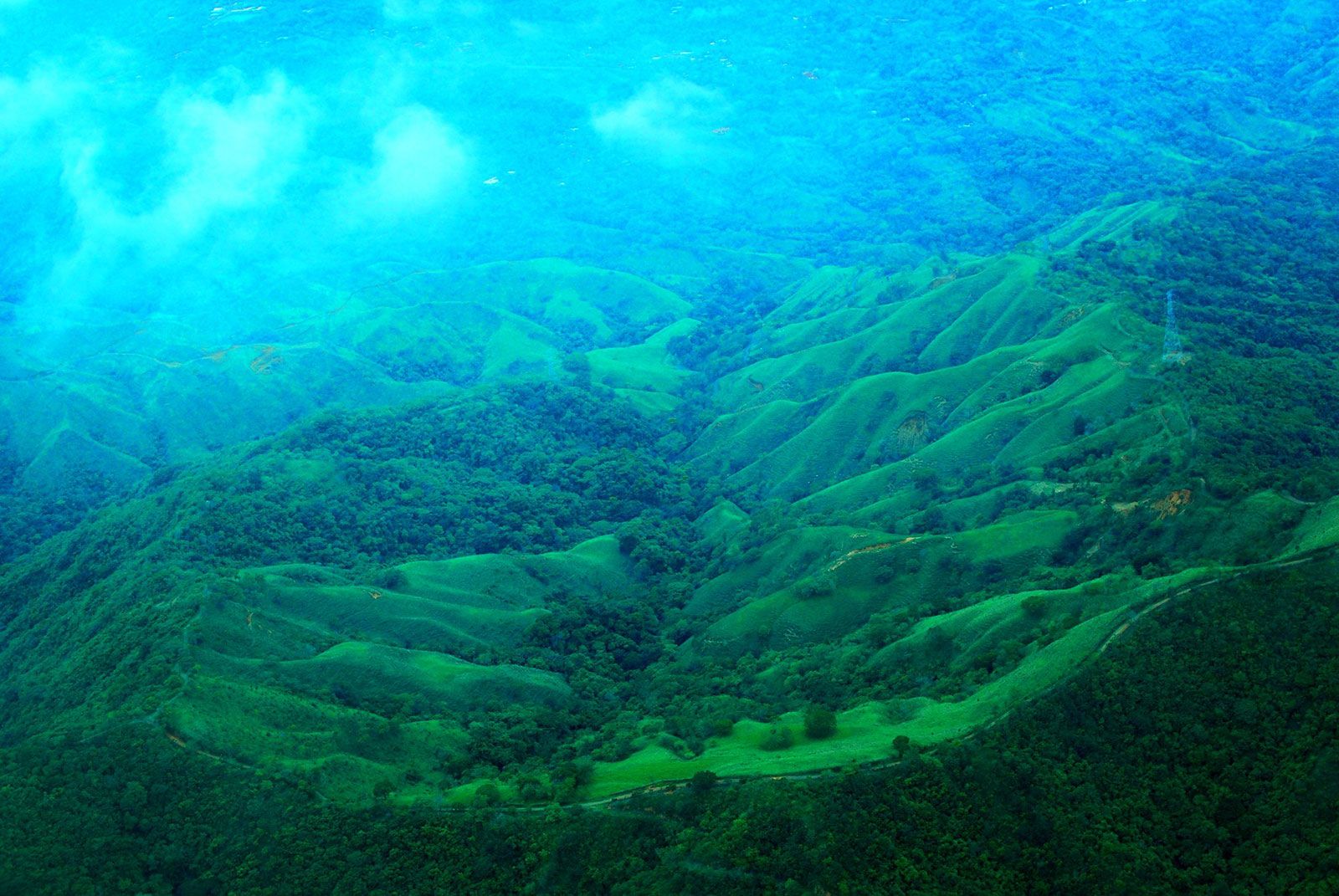
Costa Rica is a small country in Central America bordered by Nicaragua, Panama, the Pacific Ocean, and the Caribbean Sea. Nearly 30% of Costa Rica is protected as a national park, wildlife refuge, or private reserve.
Costa Rica is inhabited by 5 percent of all of the world’s species. During your eco-vacation, you can see coral reefs, cloud forests, and mangrove estuaries. Costa Rica is one of the world’s frontrunners in sustainable travel, and while you’re here you can book ecologically friendly tours and hotels.
The benefits for the local economy through environmental tourism go to local communities and replaces industries harmful to the landscape as logging and mining. You can either go on your own, or you can join an organized eco-tour.
The eco-tours available in the country, causing a minimal impact on the environment, offered in Costa Rica attract people who have a common interest in nature, culture, and wildlife. These tours provide environmental education, allowing tourists to get involved in conservation projects.
But with so many options for things to see and do, it can be hard to decide which of the many Costa Rica eco tours is right for you.
One of the best ways to explore all of the beauty of Costa Rica is a few nights stay at one of the country’s jungle lodges.
Costa Rican coffee has grown to be much more than an economic boost to the local culture and plays an important role in the history of coffee. Some of the reasons Costa Rica produce quality coffee beans are the combination of ideal conditions such as higher altitudes, fertile soils of volcanic origin combined with cool climates and steady rainfall.
100% of the coffee produced in Costa Rica is arabica beans.
The government gave anyone who wished to grow the beans their own land and plants to get started and the industry quickly surpassed tobacco and cacao as the leading crop.
Whitewater Rafting Down the Pacuare
Rafting on the Pacuare River – rated one of the most exotic and scenic rivers in the world is an amazing experience due to thrilling rapids coursing through rugged canyons and verdant tropical rainforests.
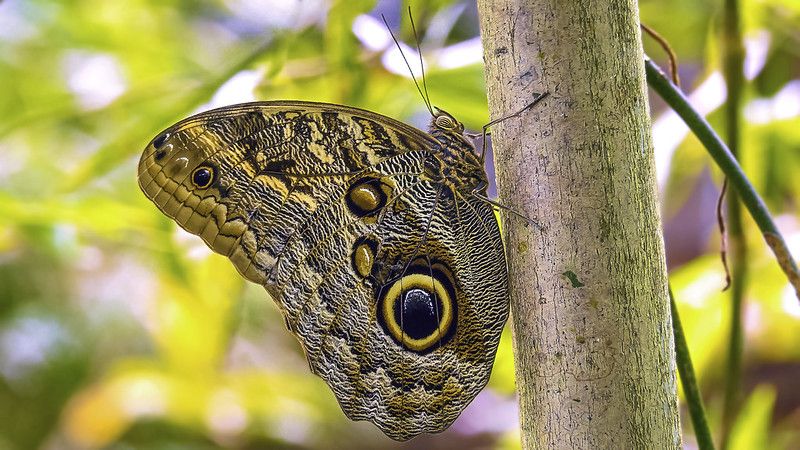
The Pacuare is home to colorful toucans, parrots, sloths, frogs and morpho butterflies. You’ll experience some of the best whitewater that Costa Rica has to offer.
The river has been divided into three sections, the Upper Upper Section, the Upper Section, and the Lower Section. The most commonly rafted section is the Lower Section.
Arenal Volcano is an active andesitic stratovolcano in north-western of the country. Arenal is considered a young volcano and most active of all the volcanoes, and it is estimated to be less than 7,500 years old. It is one of the few historically active Costa Rican volcanoes along with Poás, Irazú, Miravalles, Orosí, Rincón de la Vieja complex, and Turrialba.
Travelers to Arenal will still enjoy its bountiful sights, sounds and activities— there are mountains to be hiked, lakes to be fished and rivers to be floated. If you are visiting this area consider an exciting and scenic trip to the national park surrounding Arenal.
Many visitors do not realize that Arenal National Park is actually home to not one, but two volcanoes.
Manuel Antonio was listed by Forbes among the world’s 12 most beautiful national parks. Located on the Pacific Coast of Costa Rica, Manuel Antonio is easily one of Costa Rica’s most famous tourist attractions. It’s the country’s smallest National Park, complete with exotic toucans, lizards, howler monkeys.
This park has impressive landscapes and several coves with many white-sand beaches and lush foliage amidst great mountains and forests. our beaches are contained within the limits of the park: Manuel Antonio, Espadilla Sur, Teloro, and Playita.
The Central American squirrel monkey, Panamanian white-faced capuchin monkey, black spiny-tailed iguana, green iguana, common basilisk, white-nosed coati and many snake and bat species are also common in the park.
Mario Boza lead the effort to preserve the region and to have the government declare the volcano a protected area.
Active volcanoes are the most exciting features of Costa Rica’s geological composition. The Poás Volcano is an active 2,708-metre stratovolcano in central Costa Rica and is located within Poas Volcano National Park. It has two unique crater lakes – lake Botos to the south is an inactive crater with cold clear lake water and the north is Laguna Caliente, a mile wide volcanic crater filled with water so acidic that no plant or aquatic life can survive.
Tamarindo Estuary Kayaking Tour, Guanacaste
This tour gives you the unique opportunity to enjoy the spectacular views of the beautiful mangrove in Tamarindo and observe the wildlife. You can observe abundant wildlife of the tropical dry forest while learning about the unique ecosystem of the mangrove forest. You will see brown pelicans, brown booby, magnificent frigate birds, and neotropical cormorants.
During your tour, you can stop and have a deeper explanation of the local flora and fauna, specifically the famous local Guanacaste trees, Costa Rica’s National tree.
Tortuguero is a village on the Northern Caribbean coast of Costa Rica in the Limón Province. Tortuguero National Park can surprise you with its network of canals, rivers, lagoons, beaches, and dense rainforest here are interlinked. You can explore these canals and observe the wildlife by boat, kayak or canoe and it makes it a great and relaxing way to experience nature.
Its beaches are famous nesting grounds for sea turtles, including endangered green turtles. The surrounding rainforest is also rich with wildlife with many bird species. During September and October many local “guides” will offer tourists the opportunity to watch turtle nests hatch.
The National Park is also host to an incredible biodiversity of insects, resident and migratory birds, and mammals, including jaguar and four species of monkey.
Some of the tours also includes a stop at the world-famous Wildlife Rescue Center, a not-for-profit organization that rescues wild birds and exotic animals, helps them rehabilitate and then releases them back into the wild.
The passion of the owners, the dedication of their staff and the generosity of volunteers and donors makes everything possible.
It was established in 1978 as a biological reserve, but due to the growing popularity after 1990 its status was changed to a national park. Carara is one of Costa Rica’s most popular National Parks, mostly because it is located close to San José.
You can watch for the 150-200 scarlet macaws that nest and feed throughout the reserve. There are two hiking trails in Carara. Bordering the Pan-American Highway, this park is unique as the Amazonian and Mesoamerican ecosystems.
This national park has 10 of the most uncommon and rare hardwoods in the country.
Also, it can be found in the park many pre-Columbian archaeological sites dating back 2,000 years.
Leatherback Turtles National Park was established in 1991 to protect Leatherback turtles species from extinction. The park is part of Caravan’s Costa Rica eco tours.
Leatherback turtles can grow as long as six feet and weigh up to 1100 pounds or more. Along with the Olive Ridley and Hawksbill turtles, Leatherback turtles use this area of Costa Rica as their annual nesting grounds and each year thousands of turtles return here to nest.
Although sea turtles live most of their lives in the ocean, adult females must return to land in order to lay their eggs. Scientists believe that nesting female turtles return to the same beach on which they were born.
The flora in the area includes mangrove trees that are greatly common and for instance monkeys and crocodiles can be observed in the park area. The park is the ideal place for hiking and after that sunbathing and relaxing at the lovely Playa Grande.
During your visit to the park you are not allowed to use flash cameras or flashlights, and to approach a turtle.
Featured image photo credit: Coral Blanche Hummer / Flickr
Bhutan boasts magnificent mountain scenery, incredible architecture and colorful cultural heritage. Bhutan is an example of extraordinary culture, the striking architecture of its mountain forts, breathtaking views from the cliffs and images of Buddhist religious figures onto the craggy cliffs.
Here’s what you need to know before you travel to Bhutan.
When is the Peak & non-peak tourist periods?
The re are two peak tourist seasons. One in the Spring: March-May and another in the Fall: September – November. The months March, April, October and November are especially busy. As always when you are booking a flight, consider booking flight tickets at least 3 months ahead.
If you want to avoid the crowd of the peak tourist period, we suggest considering traveling during the non-peak period.
During the peak tourist seasons, the daily travel fee costs US$250 per day, when for the non-peak season is US$200 per day. If you want to travel to Bhutan but have a tight(er) budget, plan your trip during the off-peak months.
The minimum daily fee is:
$250 per person per day from March – May, and September – November
$200 per person per day from December – February, and June – August
If you’re traveling solo or in a private tour with only two people, you can expect to pay another another $40/$30 per day, per person.
Note:Indians, Bangladeshis, and Maldivians are not required to pay this daily fee. There are also some discounts available, primarily for students and children ages 5 – 12. For more details check the Tourism Council’s website.
Traffic incidents
Unfortunately, car accidents are very common in Bhutan. Some tips you can use to avoid any injuries is always to wear a seatbelt and avoid driving at night. There are many blind corners in the mountainous roads.
Never leave valuables inside the vehicle when parking near tourist sites or villages.
The seasons
The best months with optimum weather are April, May, September and October. The rainy season in Bhutan is from July – August and during this time, light rain daily is typical.
In the Winter is you can catch the endangered black-necked crane. The summer is a great time for mushroom picking -there’s a Matsutake Mushroom Festival.
Cellular and Internet Connections
There are two mobile network providers in Bhutan: B-Mobile SIM and TashiCell, offering 2G and 3G connectivity. Your local guide can help you purchase a SIM. Make sure your phone is unlocked. Most of the hotels in the major cities offer WiFi.
ATMs and Cash in Bhutan
Tours are prepaid so you’ll only need money for drinks, laundry, souvenirs, and tips; for this, bring cash as ATMs are not always reliable.
ATMs are located within all main towns throughout Bhutan, where money can be withdrawn using a Visa or MasterCard. There are three banks that accept foreign credit cards Bank of Bhutan, Bhutan National Bank and Druk Punjab National Bank. There are fees if you are using your Visa or MasterCard.
The ATMs do not always work and if they do, one is usually only able to withdraw small amounts, foreign currencies can be exchanged for Nu when you arrive.
No tobacco
Bhutan is the only country in the world that has banned the consumption and sale of tobacco, smoking is largely prohibited in public places. But you can bring your own cigarettes.
Tipping
Unlike Western countries, here you are not required to tip in restaurants and hotels, but you have to tip your guide.
Taking photos
Check first with your guide whether it is permitted before taking photos/filming inside Dzongs, monasteries, temples.
Guided Tours Only
You can only travel to Bhutan through a guided tour. There are only a few nations that can travel Bhutan without the guide restriction (as a tourist) are nationals from India, Maldives, and Bangladesh.
Flying
The country has only one international airport, located in Paro. Both landing and takeoff must be completed manually, and only eight pilots in the world are certified to land and takeoff from Paro International Airport.
There are currently only two airlines flying to Paro Airport – Druk Air, the national airlines and the privately-owned Bhutan Airlines.