Fernando de Noronha is a volcanic archipelago about 350 kilometers off Brazil’s northeast coast. It’s named after its largest island, a protected national marine park and ecological sanctuary with a jagged coastline and diverse ecosystems.
The Fernando de Noronha islands are the peaks of an underwater volcanic mountain range. It rises 4,000 feet from the ocean floor, about 300 miles off the state of Pernambuco and the northeast coast of Brazil.
The Fernando de Noronha archipelago is divided into two conservation units, the National Marine Reserve and the Environmental Protected Area, with its own preservation rules for environmental preservation with sustainable development.
Because the reefs of the South Atlantic are isolated from the Caribbean by the outflow of the Orinoco and Amazon rivers, the reef communities are very different from many endemic species.
Why Visit Fernando de Noronha?
The archipelago of Fernando de Noronha contains 21 islands and it is a paradise and was declared a Natural World Heritage Site by Unesco. In order for the nature of the islands to be preserved, the number of visitors is limited. There is a maximum number of 460 visitors allowed on the island. Visitors also pay an Environmental Preservation Tax that increases progressively with the length of the visit.
Travelers can enjoy golden sands, crystal clear waters, and marine life. Some of the most beautiful beaches of Brazil and the world, such as the beaches Praia dos Porcos, Praia dos Leões, and Baía do Sancho. Baía do Sancho has been selected twice as the best beach of the planet by the Traveller’s Choice Awards of TripAdvisor.
Photo credit: Paulo Henrique / Wikipedia
If you are looking for the best place for diving, you can find it at Noronha – you can observe its splendid marine life of corals, dolphins, turtles, and sharks. You may practice scuba diving with certified local instructors. For those you like surfing, the best months are between December and enjoy waves reaching up to 5 meters.
Some of the migrating birds include the black noddy, sooty tern, red-footed booby, and frigatebird.
Here you’ll find the highest concentration of dolphins in the world. More than 99.99% of the dolphins found around the Archipelago of Fernando de Noronha belong to the spinner dolphin species, Stenella longirostris, from the Delphinidae Family.
Photo credit: Rosanetur / Flickr
The sunsets on Noronha are magnificent due to the lack of air pollution. One of the best places you can enjoy and relax watching the sunset is Boldro beach.
There are plenty of activities on the island including options of ecological trails, boat tours for observing dolphins, visits to Museu do Tubarão and Parque Nacional Marinho or the Tamar project, which helps to preserve endangered sea turtles.
The number of inhabitants is restricted to around 2000. Most of the population works in the hospitality industry, catering to the visitors of the island, which includes food and accommodation, diving, snorkeling, and other water sports instruction and equipment rental and private transportation.
We all use sunscreen to protect ourselves from the harmful ultraviolet rays. The pollution in the oceans is tragically killing coral reefs and destroying the homes of the marine life living there.
Hawaii passed a bill on May 1, 2018 that bans sale of sunscreens with dangerous chemicals to reefs? NOAA states sunscreens that contain oxybenzone and octinoxate are indeed harmful to coral reefs. EHP as well confirms that sunscreen chemicals may be causing coral bleaching.
According to a report by Marine Life, a marine conservation NGO, there over 82,000 kinds of chemicals from personal care products that have made their way into the world’s oceans. And one of the most dangerous contributor is sunscreen. In 2015, it was estimated that around 14,000 tons of sunscreen are ending up in the world’s coral reefs and causing irreparable damage.
Scientists have conducted many types of research in the past decade investigating how the tons of sunscreen that wash off our bodies into the ocean each year affect marine life. According to their studies, chemical sunscreens threaten the entire marine ecosystem.
One of the common misconceptions we initially think of if we talk about biodegradable sunscreen is the bottle. We often think that these body products are contained and packed in a biodegradable container. No, it is not about the bottle, but rather, the sunscreen itself.
To help you find sunscreen that are reef safe we did extensive research on the internet and we come up with the following list that is eco-friendly sunscreen brands on the market in 2019.
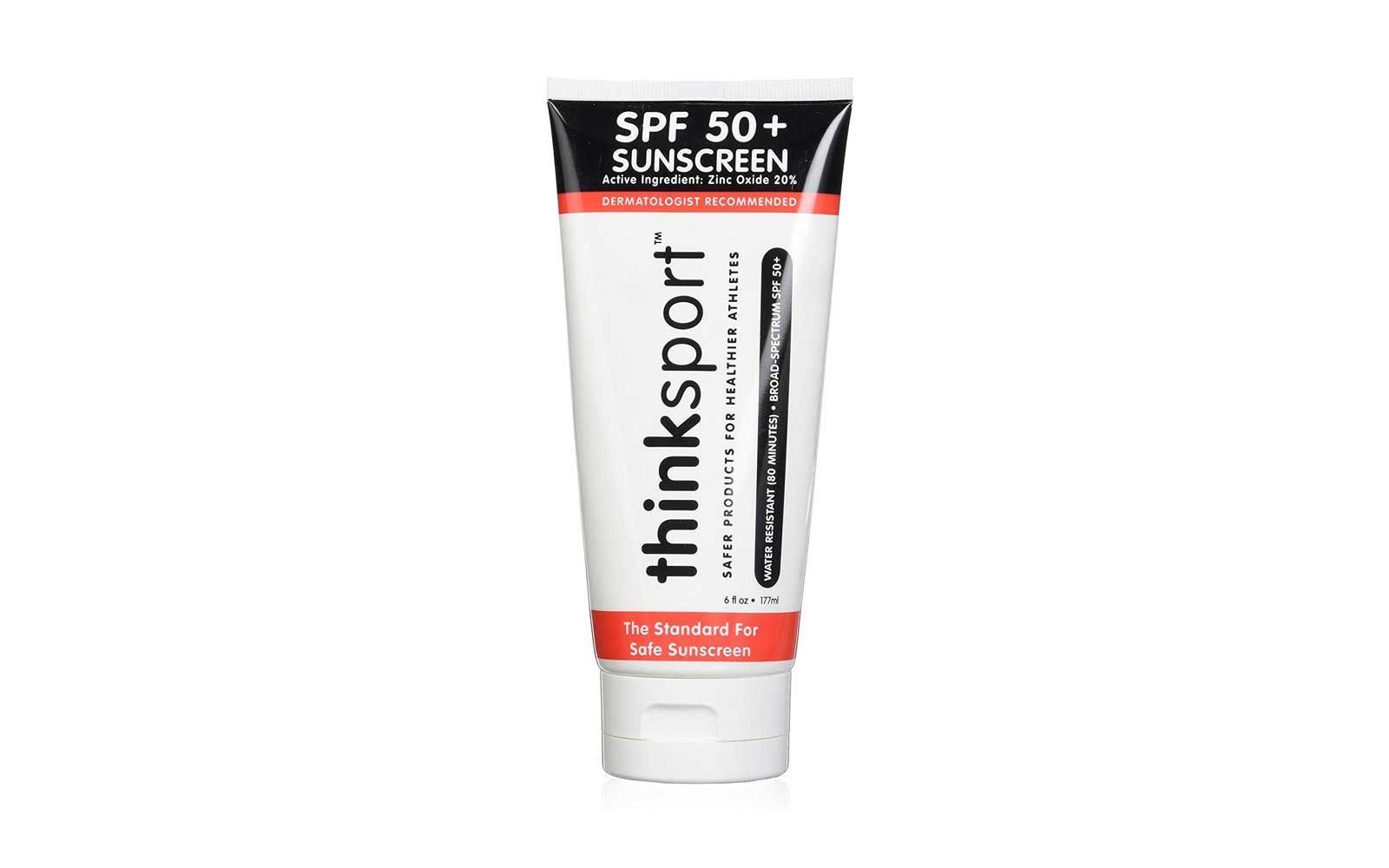
This sunscreen has an ideal score on EWG, and doesn’t contain any organically dangerous synthetic compounds. It is water-safe for up 80 minutes and is retained effortlessly by your skin.
The zinc recipe is sea safe and adequately shields your skin from sunburn. This sunscreen is additionally sulfate-, paraben-, phthalate-, aroma , and color free.
This unscented and veggie lover sunscreen is ideal for individuals with touchy skin and children. It is free of parabens, phthalates, propylene glycol, mineral oil, manufactured colors, sulfates, nanoparticles and substance UV safeguards, and contains natural green tea extricate, cucumber concentrate, and pomegranate seed oil.
This non-nano zinc oxide-based sunscreen has a lightweight water-safe recipe and is wealthy in natural green tea, rose hips, and buriti oil for repairing harmed skin. Ensure your skin is very much saturated before applying.
This sunscreen has a thick glue consistency, which enables it to remain on your skin for a significant lot of time even after you’ve been in the water. It contains thanaka oil, or, in other words cancer prevention agents, is hostile to parasitic, against bacterial and has hostile to maturing properties. The catch? It gives you a tad of a white tint as opposed to rubbing into the skin.
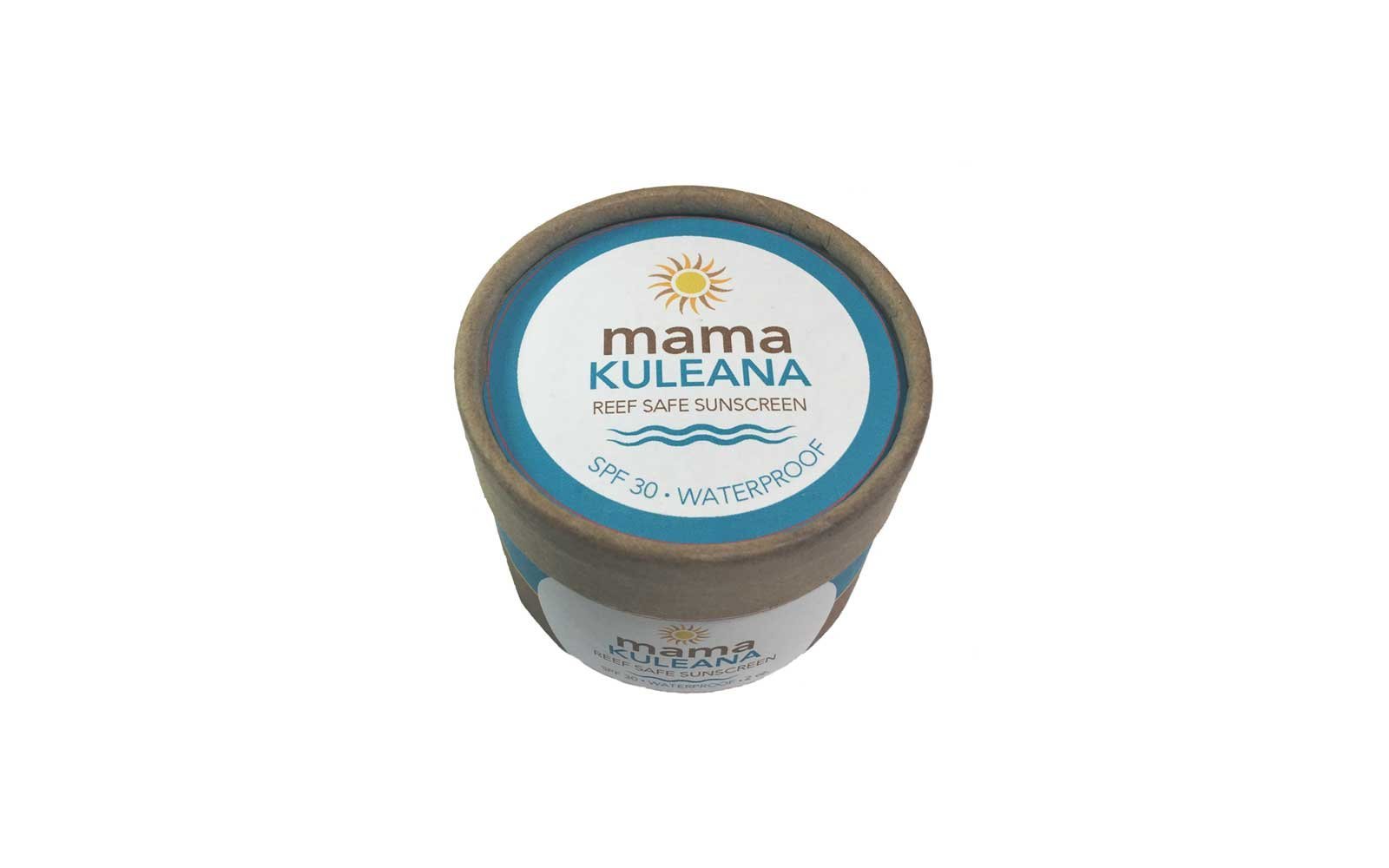
This Maui-based organization strives to guarantee that its items, together with the bundling, are alright for the earth. Their sunscreen contains a great deal of natural fixings like coconut oil, almond oil, and shea butter.
Protect your skin and marine existence with this mineral-based sunscreen that contains a ground-breaking cancer prevention agent mix of green tea, tulsi, wakame, and olive leaf. Its dynamic fixing is non-nano titanium dioxide.
This zinc-based sunscreen is improved with nearby Hawaiian spirulina, plumeria remove, nectar, kukui nut oil and other feeding oils that dampness and alleviate the skin.
Remember to double check the sunscreen ingredients and the label – each of our decisions matter to save the coral reefs!
Still not convince about choosing carefully your sunscreen for your next trip? Check our post about 5 Things to Know About the Sunscreen and How to Protect the Coral Reef.
Costa Rica is a beacon for sustainability and environmentally friendly tourism. Sustainable tourism, eco-friendly travel, green hotels, responsible tourism – you can find it all in Costa Rica.
The country has become an example for the world with nearly 30% of its land protected. Visiting national parks is a great way to enjoy some of Costa Rica’s beauty while being sure your money is going to support something like the national park system.
Ecotourism in Costa Rica is one of the key activities of the tourism industry in the country. Ecotourism draws many tourists to visit the extensive national parks and protected areas around the country. Costa Rica was a pioneer in this type of tourism, and the country is recognized as one of the few with true ecotourism.
Almost half of all international visitors participate in ecotourism, according to The Costa Rican Tourism Institute. Ecotourism tours in Costa Rica usually are focus on great outdoors epic adventures and wildlife observation.
Here are the best vacation packages highlighting the prime locations in Costa Rica.
Arenas del Mar Beach & Nature Resort is bringing the two concepts closer together — Sustainability and Luxury. This a 38-room resort with a beachfront is located within an 11-acre private nature reserve overlooking Manuel Antonio National Park. This was the first luxury hotel to receive the Five Sustainability Leaf Award in Costa Rica. Arenas del Mar has led the way in the area of using sustainability and is a carbon-neutral practice.
Some of the sustainable practices at Arenas Del Mar include chlorine-free pool water, solar-heated water, underground electricity systems that do not affect nearby wildlife, use of electric cars, low-flow toilets, energy-efficient lighting, recycling and composting, and the use of recycled materials and soap produced at the hotel from leftover cooking oil from the kitchen. Other eco-friendly amenities include in the resort routine are the use of organic and biodegradable personal care products, complimentary reusable water bottles, and organic coffee.
At Arenas Del Mar get rid of all plastic water bottles from our resort. You’ll have access to two beautiful beaches, Playitas Beach and Espadilla Beach.
It’s within walking distance from the most renowned national reserve, Manuel Antonio National Reserve. You can check their Sustainability Tours at any one of their hotels and lodges and explore the wildlife and jungle that surrounds this ocean property will take you on an exotic tropical journey.
Costa Rica is world-renowned for its canopy tours, also known as zip-lines. Ziplining is one of the best ways to experience the country’s lush and thriving forests. these tours offer travelers a unique chance to experience the rainforest as never before.
Many of Costa Rica’s national parks offer canopy tours, among the most popular, are in Arenal, Monteverde and Manuel Antonio.
Imagine sailing through the treetops hundreds of meters in the air with a chance to spot some of the country’s diverse wildlife. Don’t worry, safety is a top priority. With nearly a quarter of the land covered with rainforests, there are dozens of family-friendly locations and companies to take you on this thrilling adventure.
Costa Rica nation’s environmental services payment program established in 1997 to support property owners who leave the forest untouched.
It isn’t hard to find a hotel or lodge with zip line activities available on-site!
Explore Local Farms
The National Program of Organic Agriculture (PNAO) promotes the development of organic agriculture in Costa Rica. In 2000, more than 3,500 organic producers were registered with certification agencies, and in 2003 that number increased 13% to nearly 4,000.
A tour around Costa Rica’s organic farms is one of the best ways to enjoy local fare and learn about how the nation produces its fresh ingredients and best practices from local farmers. These tours provide a chance to learn about organic farming and make visitors think twice about where their food comes from. There are many eco-lodges and resorts that have their own organic farms where guests can volunteer. This is a perfect opportunity for adventurers who want to learn more about local farming while enjoying their stay in Costa Rica
Take the El Trapiche Sugar Mill Day Tour and explore the plantations in Monteverde.
Visits the Volcanoes
Costa Rica has over 60 volcanoes but only six of them are active. The Arenal volcano has been considered as one of the best places to explore in Costa Rica. It is Costa Rica’s largest and most recognized volcano with its natural volcanic-fed thermal springs, waterfalls, Lake Arenal – Costa Rica’s largest lake, and a rich ecosystem of exotic wildlife.
Some tours combine several activities into one action-packed, fun-filled day like canopy tours, waterfall rappelling, mountain bike rides, rafting trips.
You can join an offer private luxury SUV with a private tour guide/driver and explore some of the areas around volcanoes.
Costa Rica volcano tours is an amazing destination for adventure vacations that include climbing, exploring and just marveling at the sight of volcanoes.
The resort offers plenty of activities, pools, spas and restaurants on-site and it is close to nature trails, beaches and the ocean.
It is spread on 12 acres of rainforest just minutes from the country’s best beaches and the little, lovely Manuel Antonio National Park. Parador Resort & Spa is an award-winning full-service resort that proudly is offering responsible luxury.
It takes big participation in reforestation and beach clean-up programs, composting and recycling, energy and water saver programs, use of rainwater and biodegradable soaps and detergents.
The Veragua Rainforest Research & Adventure Park is a worldwide model for tourist attractions in terms of conservation, research, and sustainability.
The province of Limón provides amazing national parks, whitewater rafting and pristine beaches with nice surf. The Research & Adventure Park is located only 40 minutes from the Caribbean town of Limón. The park includes among other attractions, the largest indoor nocturnal frog exhibit in the world, butterfly garden, reptile vivarium, hummingbird garden.
How to travel eco-sustainably
Avoid bottled water Travel with sustainable, eco-friendly or fairtrade travel agencies Reduce consumption of meat Use eco-friendly products Book eco-friendly accommodations Support local economies
Questions to ask when booking ecotourism tours
One of the first things you can check to be sure you are supporting local community is if the majority of employees are local?
Ask the tour guides and operators what sort of training or licenses do they have?
How does the tour operator reduce its impact of plastic waste?
Do they guarantee animal sightings? This should never be done as we can’t promise when wild animals will come out and say hello.
What kind of accommodations are you staying in? Are you staying at eco-friendly hotels and going on true ecotours?
Featured image photo credit: Mario André Cordero Alfaro / Flickr